Wild Food on the Rise: Nature’s Pantry as a New Culinary Trend

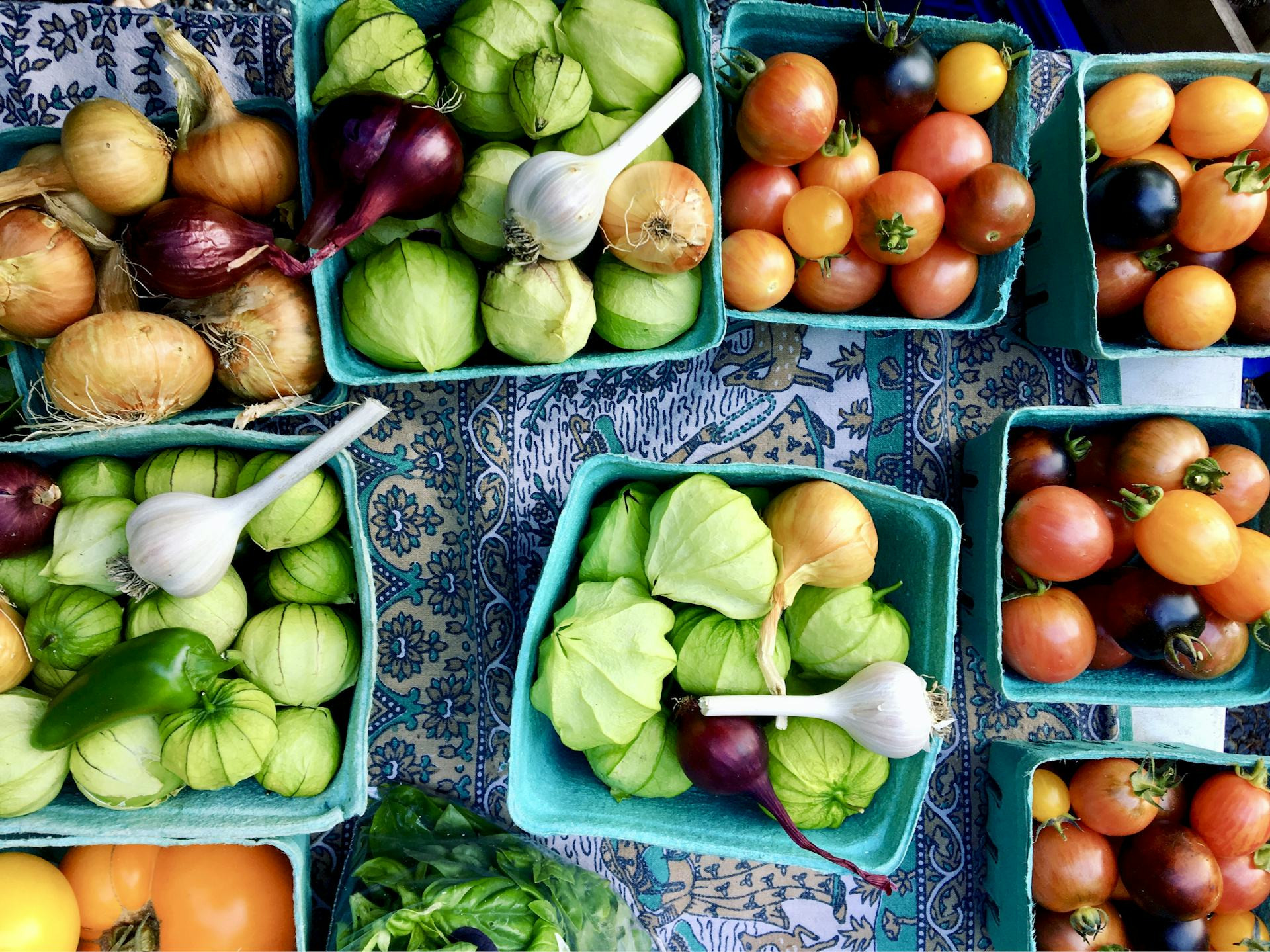
Wild Food on the Rise: Nature’s Pantry as a New Culinary Trend
Across the United States, a quiet revolution is taking place in kitchens, restaurants, and even city parks. Foraging—once seen as a niche hobby for survivalists or rural naturalists—has become a growing culinary movement. From wild mushrooms in Oregon’s forests to seaweed along the Maine coast, Americans are rediscovering the edible abundance of their landscapes. This trend isn’t just about adventurous eating; it’s about reconnecting with nature, sustainability, and the origins of our food.
From Fringe to Fine Dining
A decade ago, foraging was largely confined to a small circle of enthusiasts. Today, it’s influencing some of the country’s most innovative chefs. Restaurants like Blue Hill at Stone Barns in New York and The Willows Inn in Washington have helped bring wild ingredients into the spotlight, transforming them into refined dishes that celebrate local ecosystems. Meanwhile, smaller eateries and home cooks are following suit, inspired by the idea that the best ingredients might be growing just beyond the backyard fence.
The rise of wild food aligns with a broader cultural shift toward sustainability and local sourcing. Foraging eliminates packaging, transport, and industrial farming, offering a direct connection between people and the land. It’s a way to eat seasonally and responsibly—one handful of wild greens at a time.
The Taste of the Wild
What draws many to foraging is not only the environmental benefit but also the flavor. Wild plants and fungi often have more complex, concentrated tastes than their cultivated counterparts. Ramps bring a pungent, garlicky kick to spring dishes; purslane adds a lemony crunch to salads; and chanterelles lend a rich, earthy depth to sauces. Even common “weeds” like dandelion greens or chickweed can elevate a simple meal with their distinctive bitterness or freshness.
For chefs, these ingredients offer a new palette of flavors that reflect the landscape itself. Cooking with wild foods becomes a way to express a sense of place—whether it’s the tang of coastal sea beans or the sweetness of Appalachian pawpaws. It’s American terroir, defined not by vineyards but by forests, meadows, and shorelines.
Læs også:

Seasons and Stewardship
Foraging demands patience, knowledge, and respect. Each season brings its own treasures: spring greens and flowers, summer berries, autumn mushrooms, and winter roots. Successful foragers learn to identify plants accurately and to harvest responsibly—taking only what they need and leaving enough for wildlife and regeneration. Many follow the “one-third rule”: pick a third, leave a third, and let a third go to seed.
This ethic of care is central to the wild food movement. It transforms eating into an act of environmental awareness, reminding us that our choices affect the ecosystems we depend on.
Bringing Wild Food Home
While wild food often appears on high-end tasting menus, it’s also finding its way into everyday kitchens. A handful of foraged greens in a smoothie, wild berries in a pie, or sautéed mushrooms on toast can bring a touch of the wild to daily meals. Urban foraging groups, online communities, and local workshops are making it easier for beginners to learn safely—teaching plant identification, sustainable harvesting, and the legal do’s and don’ts of gathering on public land.
Books, apps, and social media have further fueled the movement, turning foraging into both a culinary adventure and a mindful outdoor activity. It’s a way to slow down, explore, and rediscover the edible world around us.
A Modern Trend with Ancient Roots
Though it feels new, foraging is one of humanity’s oldest food traditions. Indigenous peoples across North America have long practiced sustainable harvesting, guided by deep ecological knowledge. Today’s wild food revival, in many ways, honors that heritage—reconnecting modern eaters with ancient wisdom about balance, respect, and gratitude for the land.
Wild food is more than a passing trend. It’s a reminder that nature still offers nourishment, creativity, and connection. As more Americans step outside to gather their own ingredients, they’re not just finding food—they’re finding a renewed relationship with the world that feeds them.
Læs også: