Colors and Textures: How to Make Healthy Dishes Look and Taste More Appealing

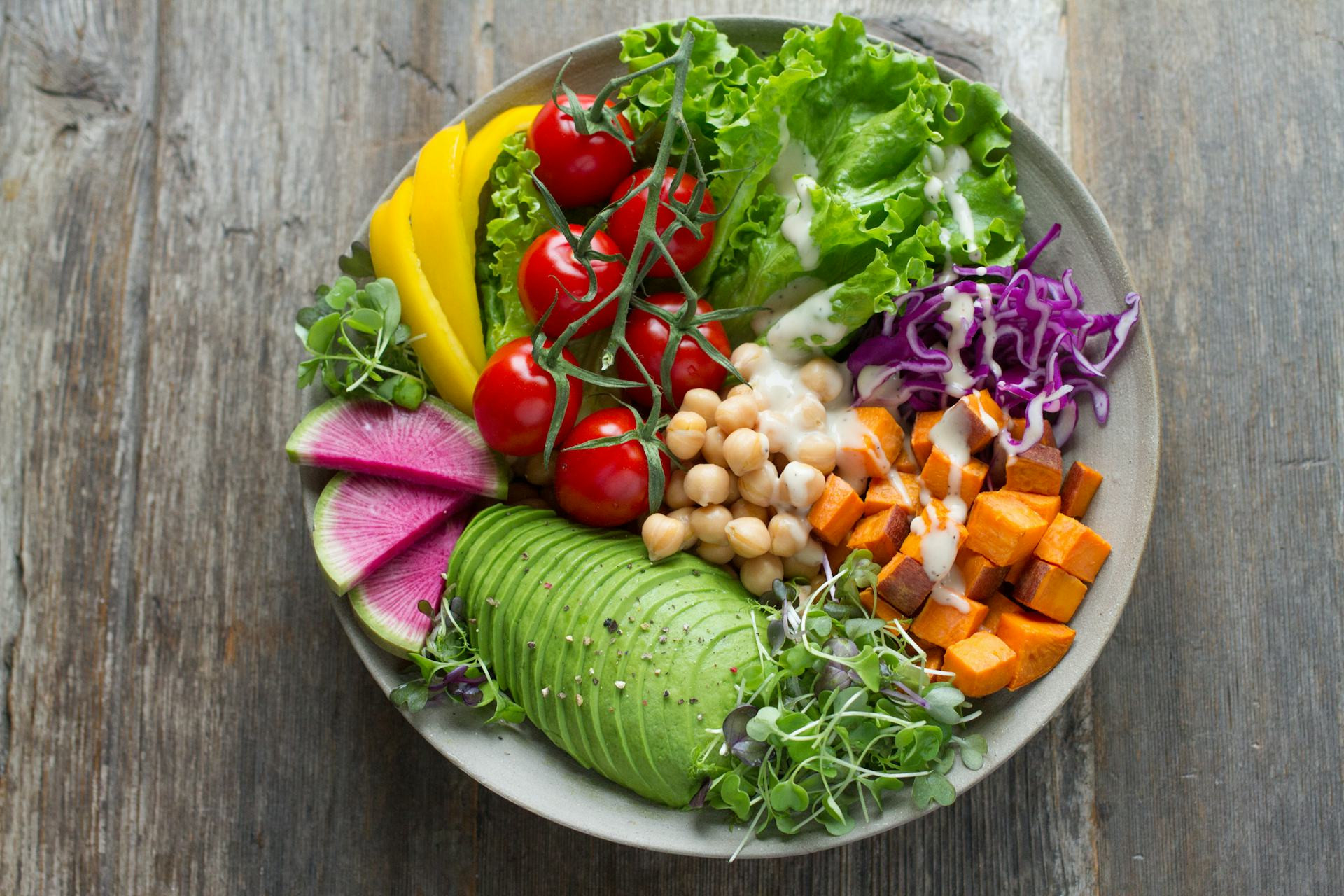
Colors and Textures: How to Make Healthy Dishes Look and Taste More Appealing
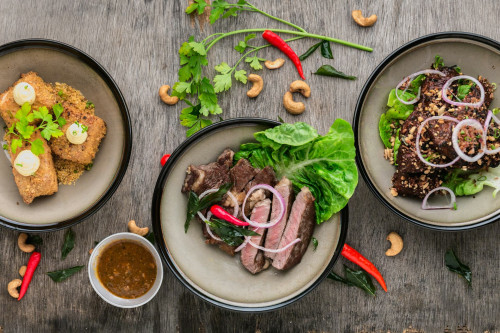
We eat with our eyes first—and that’s especially true when it comes to healthy food. A colorful, well-presented dish can make even simple ingredients feel exciting and inspire you to eat more fruits and vegetables. But how do you make nutritious meals look and taste as tempting as comfort food? Here’s how to use color, texture, and thoughtful presentation to make your healthy dishes shine.
Colors That Spark Appetite
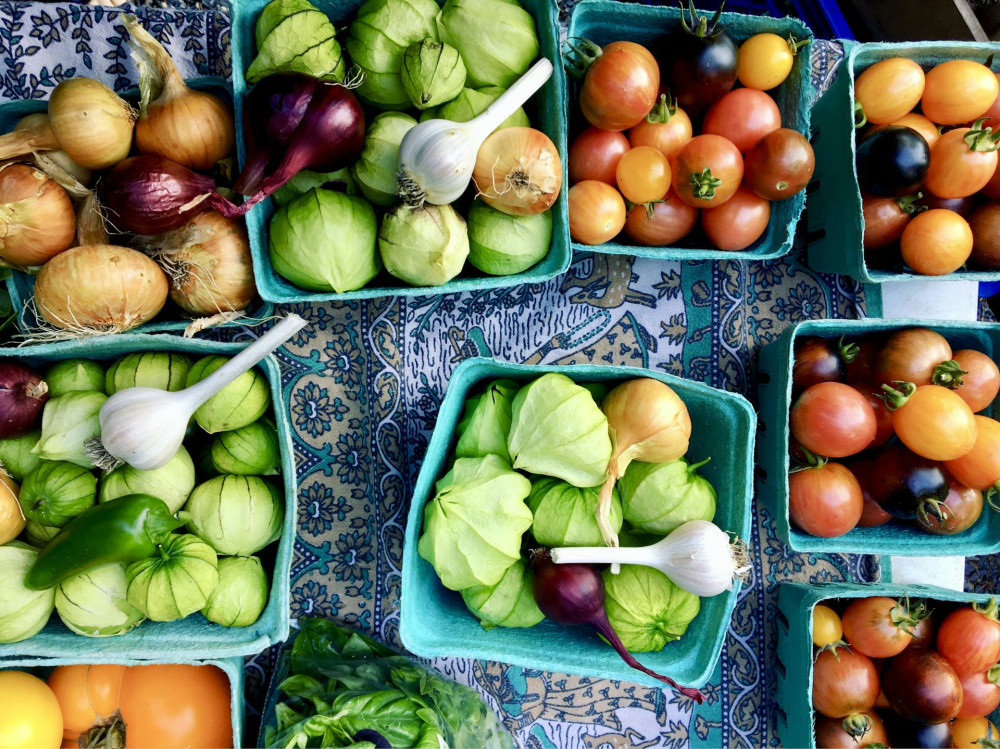
Color plays a major role in how we perceive food. A plate full of vibrant hues signals freshness and variety, while a monotone dish can seem dull.
- Think in rainbows: The more colors, the more nutrients. Combine red tomatoes, green beans, yellow bell peppers, and purple cabbage for a lively, nutrient-rich plate.
- Use contrasts: A green salad pops with ruby pomegranate seeds or bright orange carrot ribbons.
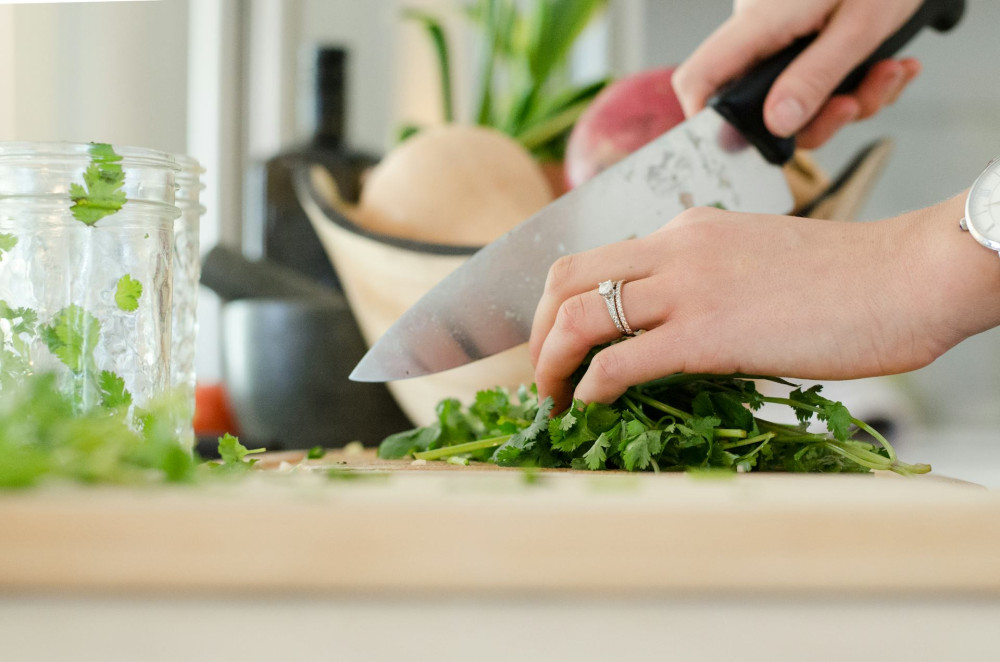
- Rely on natural colors: Fresh herbs, berries, and vegetables add brightness without artificial dyes. Even a sprinkle of chopped parsley or cilantro can make a dish look more appetizing.
Think of your plate as a canvas—the more variation in color, the more appealing the result.
Play With Textures
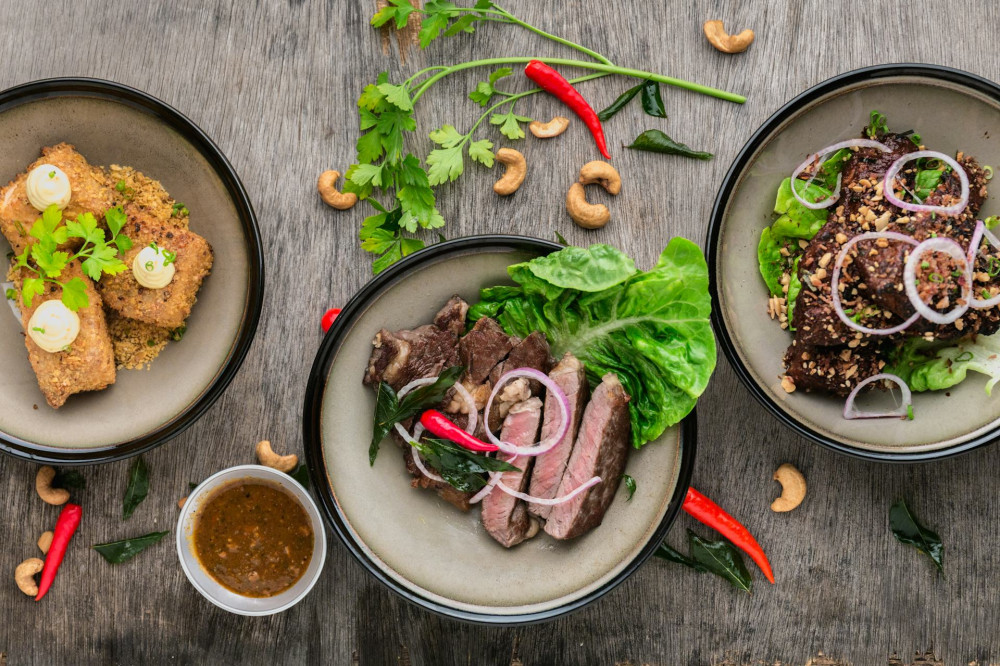
A dish that combines crunch, creaminess, and softness feels more satisfying. Texture adds contrast and makes healthy food feel indulgent.
- Add crunch: Toasted nuts, seeds, or crispy chickpeas bring bite and interest to salads, soups, and grain bowls.
- Create creaminess: A dollop of hummus, Greek yogurt, or mashed avocado adds smoothness and balance.
- Mix raw and cooked elements: Raw vegetables bring freshness, while roasted or grilled ingredients add depth and sweetness.
When you combine different textures, you engage more senses—and that makes the meal more enjoyable, even when it’s light and healthy.
Presentation Matters
Even the most delicious food can lose its appeal if it’s served carelessly. A simple, thoughtful presentation can make a big difference.
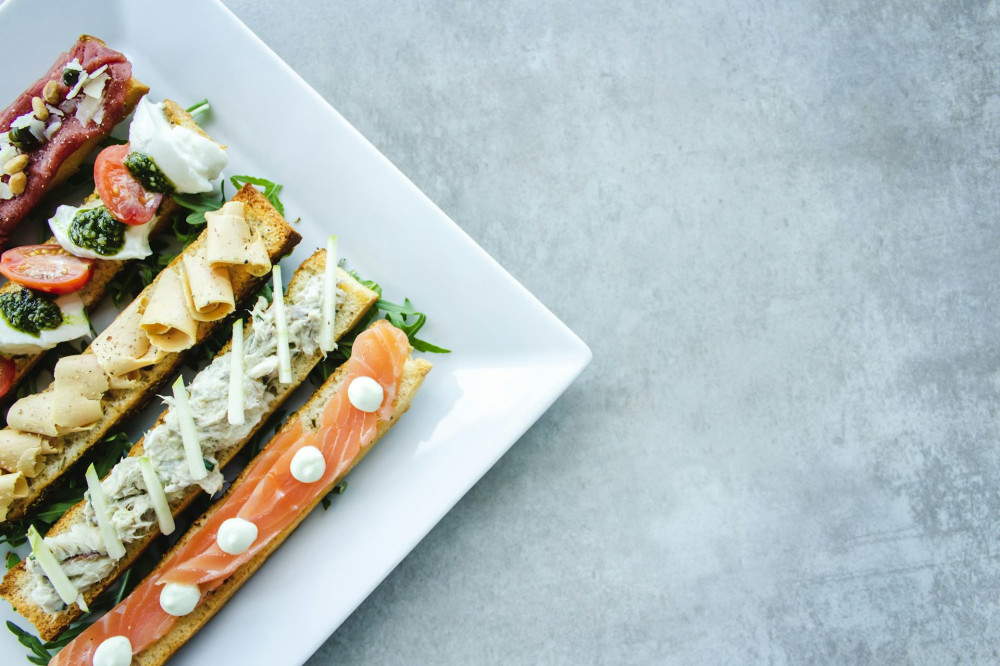
- Use neutral plates: White, gray, or natural-toned dishes let the food’s colors stand out.
- Layer thoughtfully: Arrange grains, proteins, and vegetables so they create a natural balance on the plate.
- Add a fresh touch: A sprinkle of herbs, microgreens, or a bit of lemon zest adds both color and brightness.
You don’t need to be a chef to plate beautifully—it’s mostly about taking a moment to think about composition and balance.
Flavor That Matches the Look
When food looks good, we expect it to taste good too. That’s why flavor should live up to the visual promise.
- Use acid and spices: Lemon juice, vinegar, chili flakes, and fresh herbs can elevate flavor without adding extra fat or salt.
- Build umami: Roasted mushrooms, tomato paste, or a splash of soy sauce can add depth to plant-based dishes.
- Taste as you go: Small adjustments in salt, acidity, or sweetness can make a big difference.
Balancing flavors ensures your healthy dishes taste as good as they look.
Læs også:
Make Healthy Eating an Experience
Eating well doesn’t have to feel like a chore. It can be a creative, sensory experience when you play with colors, shapes, and textures. Let seasonal produce guide your choices and use it as inspiration for your color palette.
A wholesome meal can be just as inviting as a special occasion dinner—it just takes a little care and creativity on the plate.
Læs også: