Listen, Smell, and Taste – Learn to Tell When Your Food Is Done

Listen, Smell, and Taste – Learn to Tell When Your Food Is Done
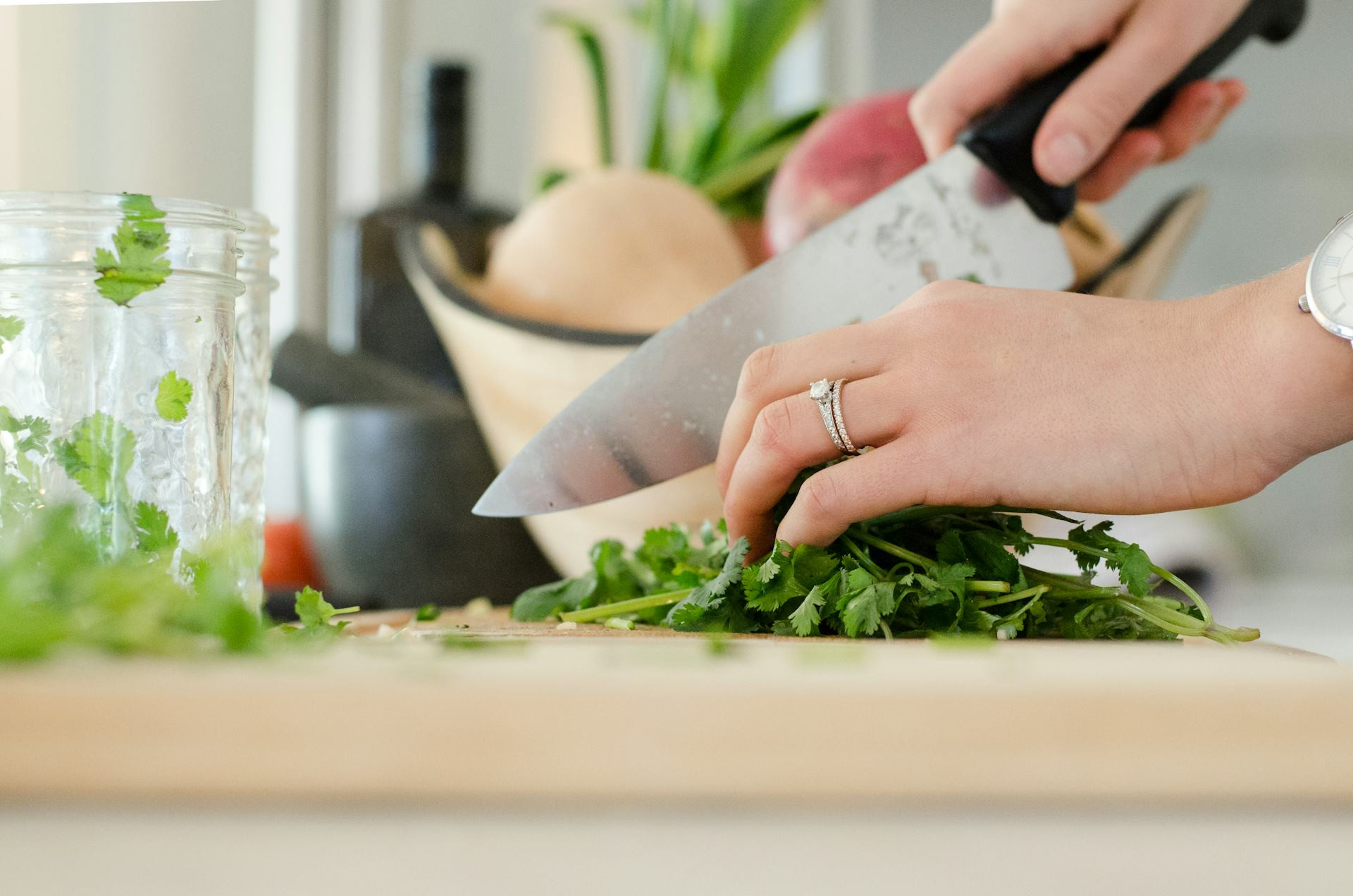
Cooking isn’t just about following recipes or watching the clock. It’s about using your senses. The best cooks rely on their eyes, ears, nose, and taste buds to know when food is perfectly done. You don’t always need a thermometer or timer to make a juicy steak or pasta cooked just right. You just need to listen, smell, and taste your way through the process. Here’s how to use your senses to become more confident in the kitchen.
Listen to the Sounds of the Pan and Pot
The sounds coming from your stove can tell you a lot about what’s happening with your food. As heat and moisture change, so do the noises.
- Searing: When you place meat on a hot skillet, you should hear a strong, steady sizzle. That sound means the surface is caramelizing and locking in juices. If the sound fades or turns watery, the pan isn’t hot enough, and the meat is steaming instead of searing.
- Simmering: A gentle, rhythmic bubbling sound means your soup or sauce is simmering properly. If it’s roaring or splattering, the heat is too high, and you risk overcooking or reducing too much liquid.
- Baking: Even in the oven, sound can guide you. When you tap the bottom of a loaf of bread and it sounds hollow, it’s usually baked through.
Learning to listen takes practice, but soon you’ll recognize the subtle cues that tell you when your food is on track.
Smell Your Way to Perfect Timing
Aromas are often the first sign that food is nearing perfection. As ingredients heat up, chemical reactions release new scents that signal doneness.
- Breads and desserts: When your kitchen fills with a warm, toasty aroma, sugars and proteins are caramelizing. That’s your cue that baked goods are almost ready.
- Roasts and stews: A deep, nutty smell means fats and spices have developed rich flavors. If you catch a hint of something burnt, it’s time to lower the heat or remove the dish from the oven.
- Vegetables: When their scent turns sweet and mellow, they’re usually tender but still crisp.
Trusting your nose helps you catch the moment when flavors peak—before they go too far.
Watch for Color and Texture Changes
Your eyes are one of your best tools in the kitchen. Color and texture reveal a lot about how food is progressing.
- Meat: A golden-brown crust means the Maillard reaction is happening—the process that creates that delicious seared flavor.
- Fish: When it turns opaque and flakes easily with a fork, it’s done.
- Vegetables: Bright, vibrant colors mean they’re cooked just right. If they start to look dull or gray, they’ve gone too far.
- Sauces: A sauce that coats the back of a spoon without running off too quickly has reached the right consistency.
Watching your food as it cooks helps you stop at just the right moment.
Taste – The Final Test
No matter how much you listen, smell, or look, tasting is the ultimate test. Taste as you go—not just at the end. That’s how you adjust seasoning, balance flavors, and check texture.
- Pasta: Bite into a piece—it should be tender but still have a little bite.
- Soups and sauces: Taste several times as they cook. Flavors deepen over time, and a splash of lemon juice, a pinch of salt, or a pat of butter can make all the difference.
- Meat: If you’re unsure, cut a small piece to check both the color and tenderness. A quick taste will tell you if it’s ready.
Tasting isn’t just about control—it’s how you develop your own sense of flavor.
Læs også:
Your Senses Are the Best Kitchen Tools
Thermometers, timers, and recipes are helpful, but they can’t replace your senses. When you learn to listen, smell, look, and taste, you become more intuitive and confident in the kitchen. You’ll start to cook by feel rather than by strict instruction.
Next time you cook, set the recipe aside for a moment. Listen to the sizzle, breathe in the aroma, and taste as you go. That’s how you’ll learn to tell when your food is done—not just by time, but by instinct.
Læs også: