Think Sustainably: Reuse and Upgrade Throughout the Building’s Lifecycle

Think Sustainably: Reuse and Upgrade Throughout the Building’s Lifecycle
Buildings account for a significant share of global resource consumption and carbon emissions. To reduce this impact, sustainability must be integrated into every stage of a building’s lifecycle—from the first design sketches to renovation or demolition decades later. Reuse and upgrading are key strategies in this approach. It’s not only about constructing new buildings responsibly, but also about extending the life and value of what already exists.
Think in Lifecycles – Not Just New Construction
Traditionally, the construction industry has focused on new builds. Yet much of a building’s environmental footprint occurs before it’s even occupied—through material extraction, manufacturing, and transportation. By adopting a lifecycle perspective, we can significantly reduce resource use and emissions.
Lifecycle thinking means viewing a building as part of a continuous loop: materials are extracted, used, maintained, reused, and eventually recycled. This requires planning from the start—choosing materials that can be disassembled and reused, and designing flexible spaces that can adapt to changing needs over time.
Reusing Materials – Turning Waste into Resources
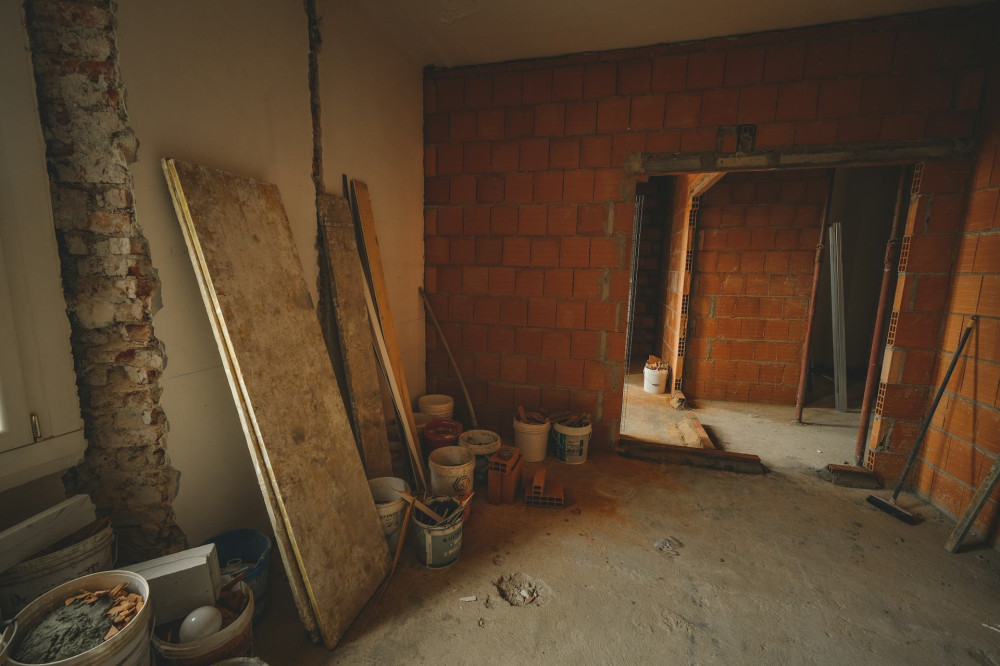
Across the United States, more projects are proving that reusing building materials is not only possible but also economically and aesthetically rewarding. Bricks, timber beams, doors, and windows can often be reused directly if handled carefully during deconstruction.
- Bricks can be cleaned and reused in new facades, saving both energy and waste.
- Wood can be repurposed as structural timber or transformed into flooring and furniture.
- Metals such as steel and aluminum can be melted down and reused without losing quality.
To make reuse easier, some cities and organizations are developing material exchanges and digital marketplaces where salvaged building components are cataloged and resold. This creates a growing market for circular construction and helps divert valuable materials from landfills.
Upgrading Instead of Replacing
When a building becomes outdated or inefficient, demolition may seem like the easiest solution. But targeted upgrades can often deliver the same functional and energy improvements at a fraction of the environmental cost.
Upgrades can include:
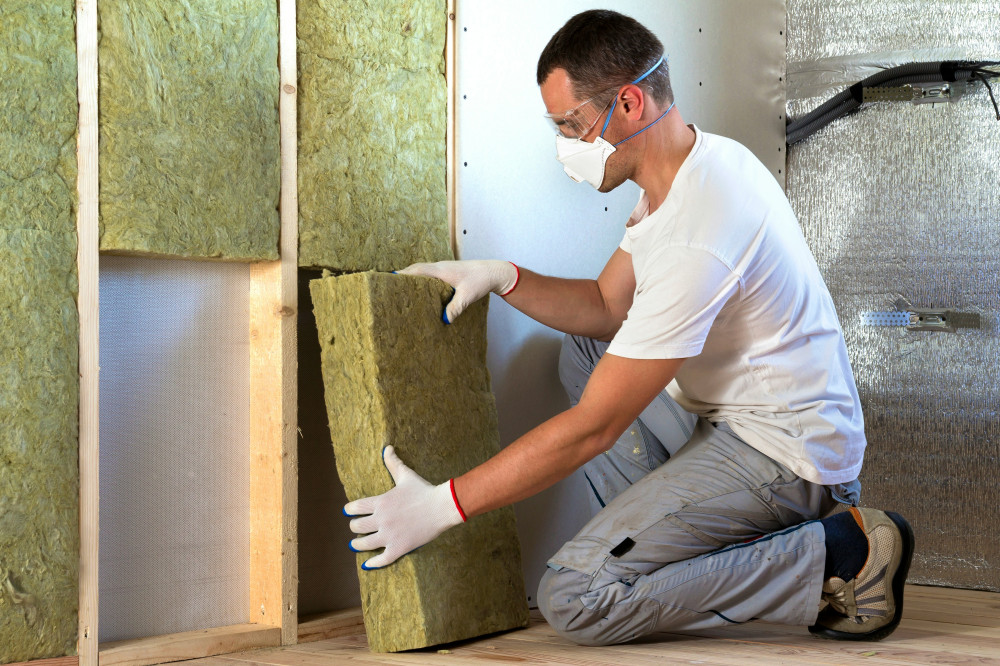
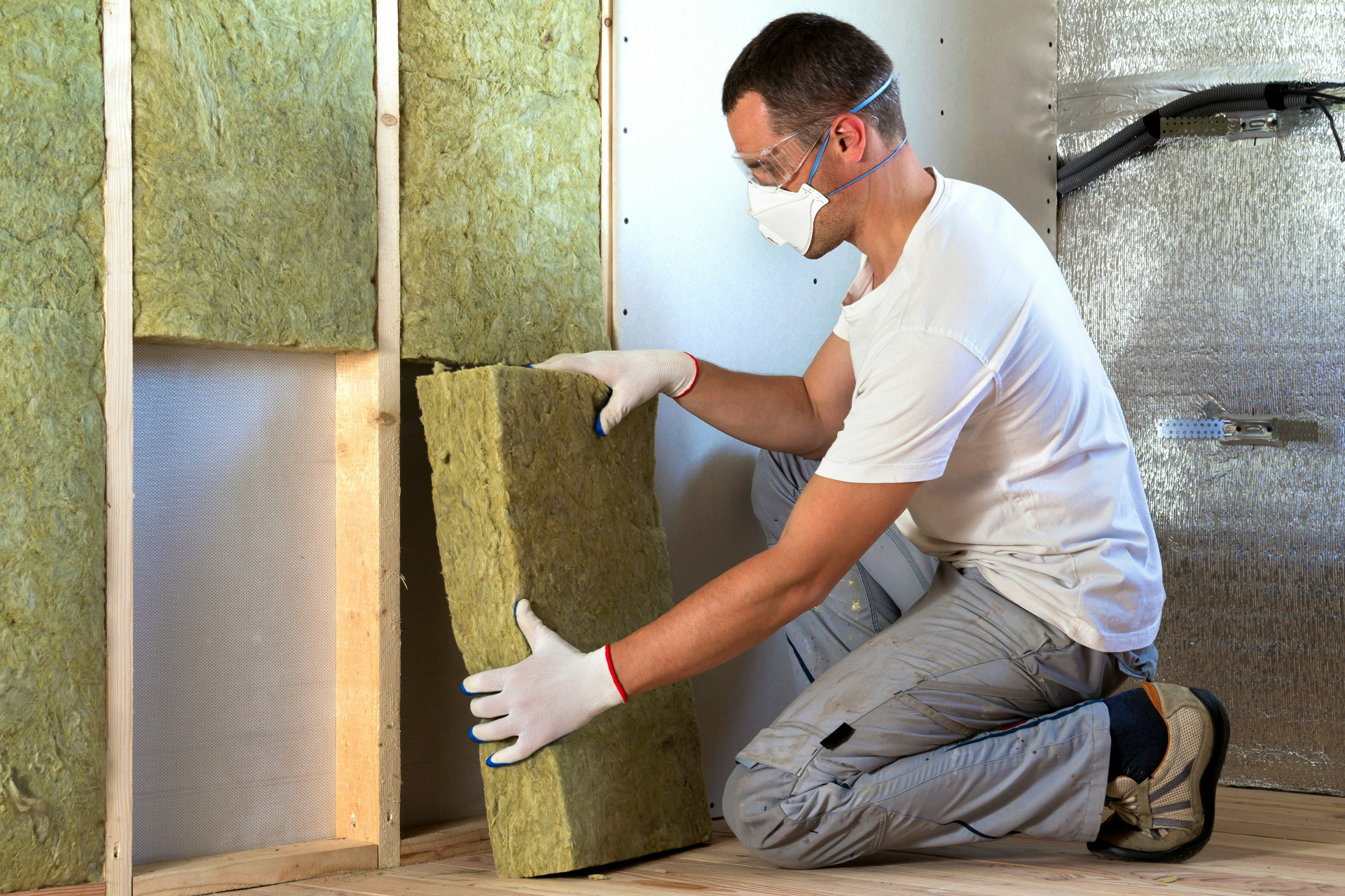
- Improved insulation and high-performance windows to reduce energy use.
- Modernized mechanical systems, such as HVAC and lighting, for greater efficiency.
- Aesthetic updates through new finishes, paint, or lighting that refresh the building’s appearance.
By preserving the existing structure, we retain the embodied energy—the energy already invested in producing and transporting materials—while reducing waste and emissions.
Design for Disassembly – Building for the Future
A cornerstone of sustainable construction is “design for disassembly.” This principle ensures that buildings are constructed so materials and components can be easily separated and reused when the structure is renovated or dismantled.
Examples include:
- Using screws and bolts instead of adhesives.
- Designing modular facades and flooring systems.
- Tracking materials through digital building passports for future reuse.
This approach transforms buildings into temporary repositories of resources rather than one-time products, making future reuse and recycling far more feasible.
Læs også:

Maintenance as a Sustainability Strategy
Sustainability isn’t only about major renovations. Regular maintenance is one of the most effective ways to extend a building’s lifespan. Small repairs, routine cleaning, and proper moisture control can prevent damage that would otherwise require extensive replacements.
By caring for buildings continuously, owners avoid waste, reduce costs, and preserve the original quality and character of the structure.
Collaboration and Knowledge Sharing
Achieving meaningful reuse and upgrading requires collaboration among architects, engineers, contractors, and building owners. Digital tools such as material databases and lifecycle assessments (LCA) make it easier to make informed, sustainable choices.
Policy and incentives also play a role. Some U.S. cities are beginning to adopt deconstruction ordinances, requiring that certain buildings be carefully dismantled rather than demolished. Federal and state programs promoting energy efficiency and circular economy practices are further encouraging sustainable building strategies.
A New Way of Thinking About Buildings
Thinking sustainably throughout a building’s lifecycle ultimately means reimagining how we view the built environment. Instead of seeing buildings as static, finished products, we can see them as dynamic systems—capable of evolving, being repaired, and reused.
When we reuse materials, upgrade instead of rebuild, and design with the future in mind, we create not only more sustainable buildings but also a more responsible and resilient construction culture for generations to come.
Læs også: