Modernize the Facade – Without Losing the Home’s Soul

Modernize the Facade – Without Losing the Home’s Soul
A new facade can completely transform a house—but it takes care and sensitivity to preserve its original charm. Many American homeowners dream of a fresh, updated look, yet worry about losing the character that makes their home unique. The good news is that you can modernize your exterior while honoring its history and personality. Here’s how to give your home a facelift that feels both current and authentic.
Start by Understanding Your Home’s Character
Before choosing materials or colors, take time to understand what defines your home’s style. Is it a mid-century ranch, a Craftsman bungalow, a Colonial revival, or a 1980s suburban classic? Each architectural style has its own proportions, details, and materials that create its distinctive look.
Study the roofline, window placement, and entryway. Often, it’s the small details—trim profiles, brick patterns, or porch columns—that give a home its soul. Once you recognize these features, it becomes easier to make updates that complement rather than compete with the original design.
Choose Materials That Respect the Past
Material selection has a huge impact on how your home feels. Many older American homes feature brick or wood siding, while newer ones may use stucco, vinyl, or fiber cement. If you’re modernizing, consider blending traditional and contemporary materials in a balanced way.
- Brick: If your home has brickwork, preserve it whenever possible. Cleaning, repointing, or painting brick can refresh the look without erasing its texture and depth.
- Wood siding: Natural wood or engineered wood products add warmth and authenticity. Use them as accents to soften modern materials.
- Fiber cement or composite panels: These offer durability and a sleek finish while mimicking traditional textures.
- Metal details: Aluminum or zinc trim can add a crisp, modern edge to eaves, awnings, or entryways.
The goal isn’t to recreate the past, but to create harmony between old and new.
Læs også:

Light, Windows, and Proportion
Windows are the eyes of your home—and one of the most defining features of its facade. When replacing them, choose styles that fit the home’s proportions. Oversized or undersized windows can throw off the balance of the design.
Think about how to bring in more natural light without altering the home’s character. Slim frames, divided-light patterns, or energy-efficient glass in traditional shapes can deliver modern comfort while maintaining visual integrity.
A good tip: step back and view your home from the street before finalizing decisions. Seeing the whole picture helps you judge how each change affects the overall composition.
Energy Efficiency with Sensitivity
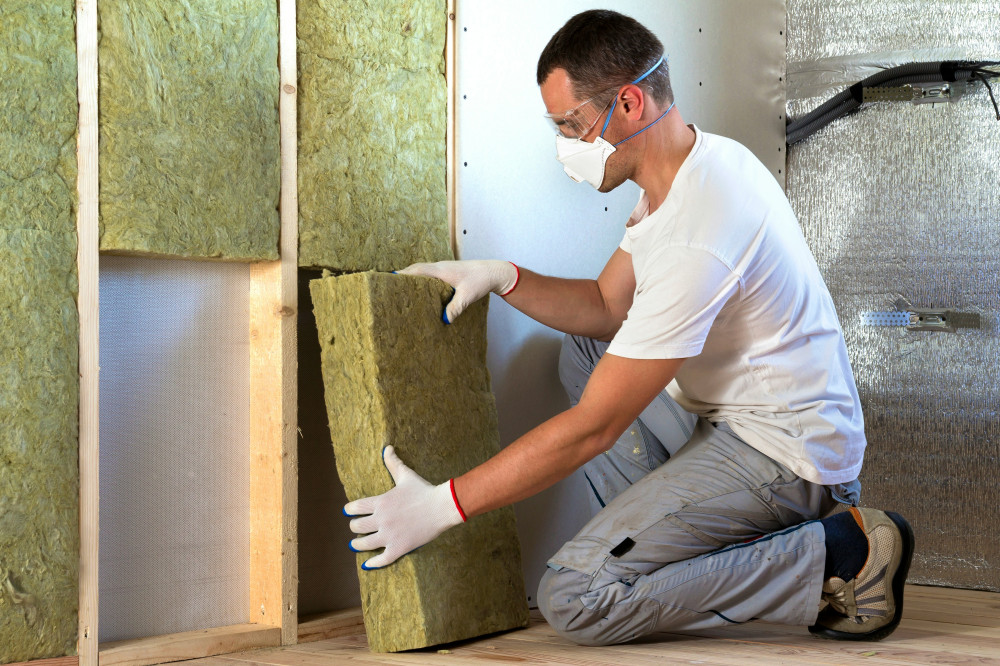
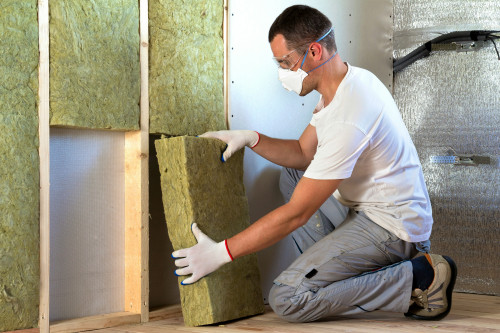
Updating the facade is the perfect opportunity to improve energy performance. Insulation, new windows, and air sealing can reduce energy bills and make your home more comfortable. But it’s important to do it in a way that doesn’t compromise the architecture.
Exterior insulation systems can change wall thickness and trim proportions, so consider interior insulation or thinner cladding options if your home has distinctive details. Consult an architect or contractor experienced with older homes—they can help you find solutions that balance efficiency and aesthetics.
Color Choices That Tell a Story
Color is more than decoration—it’s part of your home’s identity. Classic American homes often feature muted earth tones, while mid-century and contemporary designs embrace bolder contrasts. When modernizing, choose a palette that feels fresh but still relates to the home’s original tone.
Start with existing elements like the roof, foundation, and window frames. When colors coordinate, the house feels cohesive—whether you prefer a soft, coastal palette or a striking modern contrast.
Small Details, Big Impact
Sometimes, the smallest updates make the biggest difference. New light fixtures, house numbers, a mailbox, or a front door handle can refresh the facade without major construction. Choose quality materials and simple forms that suit your home’s style.
Don’t forget the surroundings. Landscaping, walkways, and fencing all contribute to curb appeal. A well-kept front yard or a new path can make the entire property feel more inviting.
Preserve the Soul—While Creating Something New
Modernizing your facade isn’t just about looks—it’s about identity. A home with soul tells a story: of its era, its craftsmanship, and the people who’ve lived there. When you renovate with respect for that story, the result is both beautiful and personal.
The best outcomes come from blending modern functionality with an understanding of your home’s original architecture. That way, you’ll have a house that feels renewed yet remains true to its roots—a home that looks forward without forgetting where it came from.
Læs også: