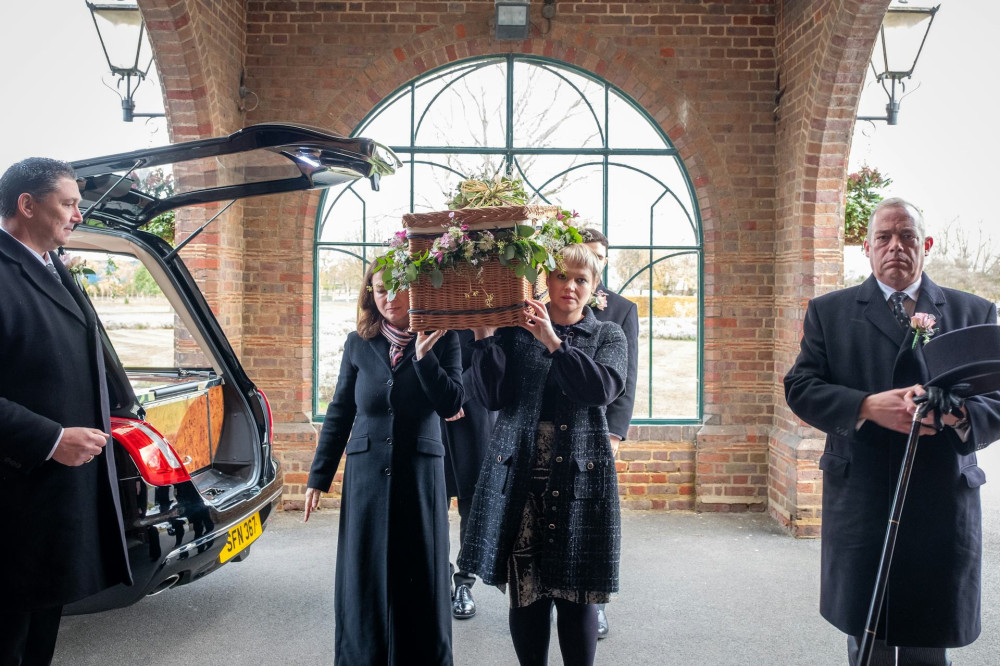
The Funeral Director’s Role: Support and Practical Help in the Days Following a Death

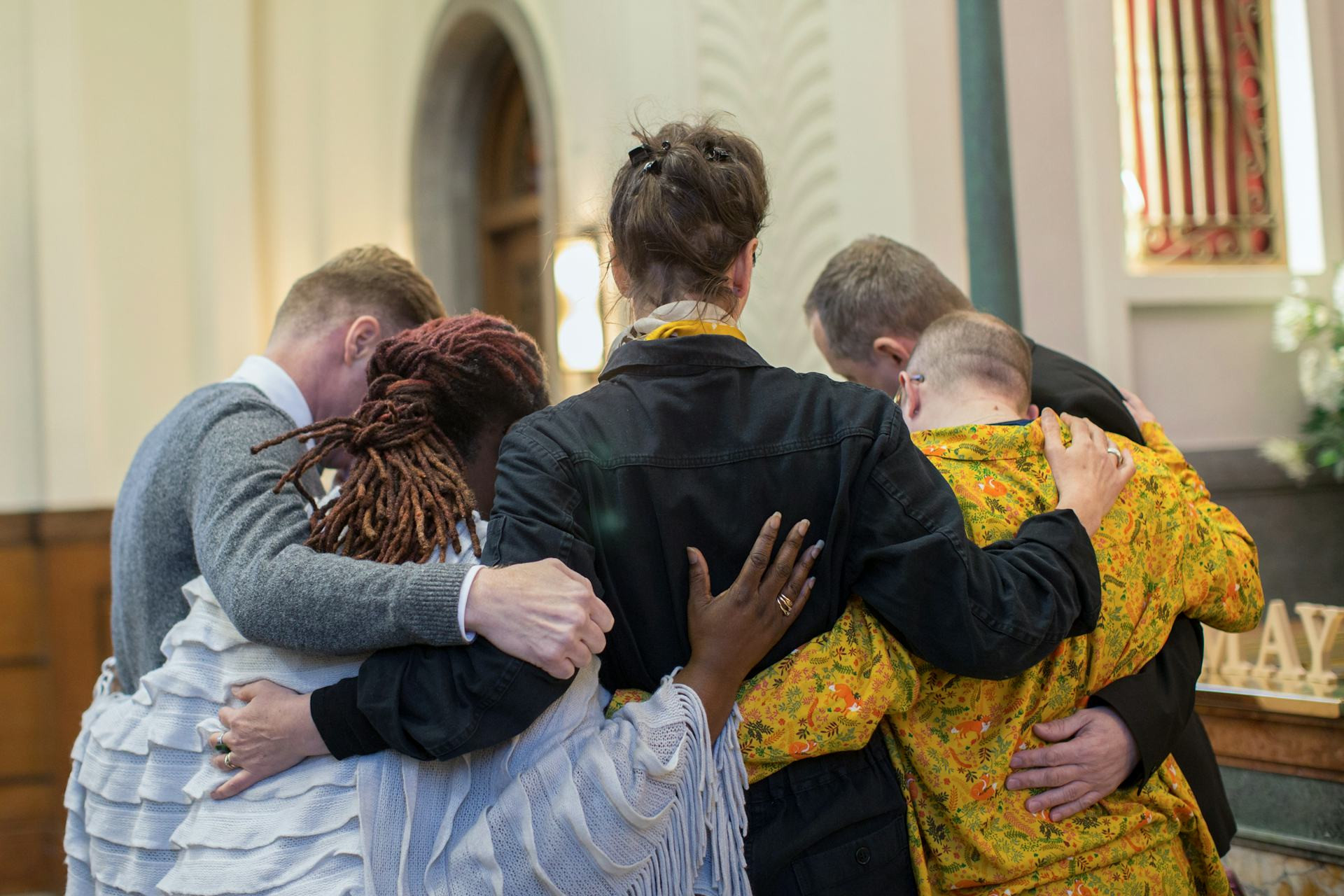
The Funeral Director’s Role: Support and Practical Help in the Days Following a Death
When someone dies, their loved ones are often left in shock, grief, and confusion. Amid the emotional turmoil, there are countless practical matters that must be handled—legal paperwork, funeral arrangements, and decisions about how to honor the person’s life. In these difficult days, the funeral director plays a vital role. Acting as both a compassionate guide and a practical organizer, the funeral director helps families navigate the first steps after a loss with care and professionalism.
A Steady Hand in a Difficult Time
For most people, planning a funeral is something they rarely, if ever, have to do. The process can feel overwhelming, especially when emotions are raw. A funeral director provides calm, experienced guidance. They understand the procedures, the legal requirements, and the many details that must be managed, allowing families to focus on grieving and remembering their loved one.
The first meeting with a funeral director often centers on creating a sense of order and reassurance. Together, the family and director review what needs to happen next—filing the death certificate, arranging transportation, and planning the service. The funeral director ensures that nothing is overlooked and that every step reflects the family’s wishes and the deceased’s values.
Practical Responsibilities – From Paperwork to Ceremony
A funeral director’s work covers a wide range of tasks, including:
- Legal and administrative matters – preparing and filing the death certificate, obtaining necessary permits, and coordinating with local authorities or cemeteries.
- Transportation and preparation – transferring the deceased from the place of death to the funeral home, preparing the body for viewing or cremation, and ensuring all arrangements are handled with dignity.
- Planning the service – helping the family choose between burial or cremation, selecting a venue such as a church, chapel, or funeral home, and coordinating with clergy or celebrants.
- Arranging details – assisting with flowers, printed programs, obituaries, and music selections that reflect the person’s life and personality.
- Financial guidance – providing clear information about costs, available packages, and any benefits or assistance programs that may help cover expenses.
By taking care of these practical matters, the funeral director allows families to focus on what truly matters—supporting one another and saying goodbye in a meaningful way.
Creating a Personal and Meaningful Farewell
Modern funeral directors understand that every life is unique, and so should be every farewell. They help families design services that reflect the individual’s personality, beliefs, and passions. This might mean incorporating favorite music, displaying personal items, or holding the service in a special location.
Whether the family prefers a traditional religious ceremony, a secular celebration of life, or a small private gathering, the funeral director helps turn those wishes into reality. Their goal is to ensure that the farewell feels authentic and comforting to those left behind.
Emotional Support Beyond the Logistics
While much of a funeral director’s work is practical, their emotional support is equally important. A good funeral director listens with empathy, answers questions patiently, and provides reassurance when decisions feel overwhelming. They understand the many ways grief can manifest and offer a calm presence during a time of uncertainty.
Many funeral homes also maintain connections with grief counselors, support groups, and community resources. When needed, the funeral director can refer families to additional help, ensuring that support continues long after the service is over.
Læs også:



Choosing the Right Funeral Director
There are many funeral homes across the United States, from small family-run businesses to larger networks. The most important factor is finding someone you feel comfortable with—someone who listens, respects your wishes, and communicates clearly.
It can be helpful to:
- Ask friends or relatives for recommendations.
- Read online reviews or visit the funeral home’s website to learn about their services and values.
- Schedule an initial meeting to discuss options and get a sense of the director’s approach.
A trustworthy funeral director will take time to explain choices, provide transparent pricing, and ensure that every detail aligns with the family’s preferences.
A Helping Hand When It’s Needed Most
Losing a loved one is never easy, but with the right support, the burden of practical tasks can be eased. The funeral director is there to bring structure to chaos, to handle the details with care, and to help families create a farewell that honors the life that was lived.
Ultimately, the funeral director’s role is about more than logistics—it’s about compassion, respect, and helping the bereaved find peace in the midst of loss.
Læs også: