Cremation in Faith and Tradition: How Religions and Belief Systems Relate to the Fire of Farewell

Cremation in Faith and Tradition: How Religions and Belief Systems Relate to the Fire of Farewell
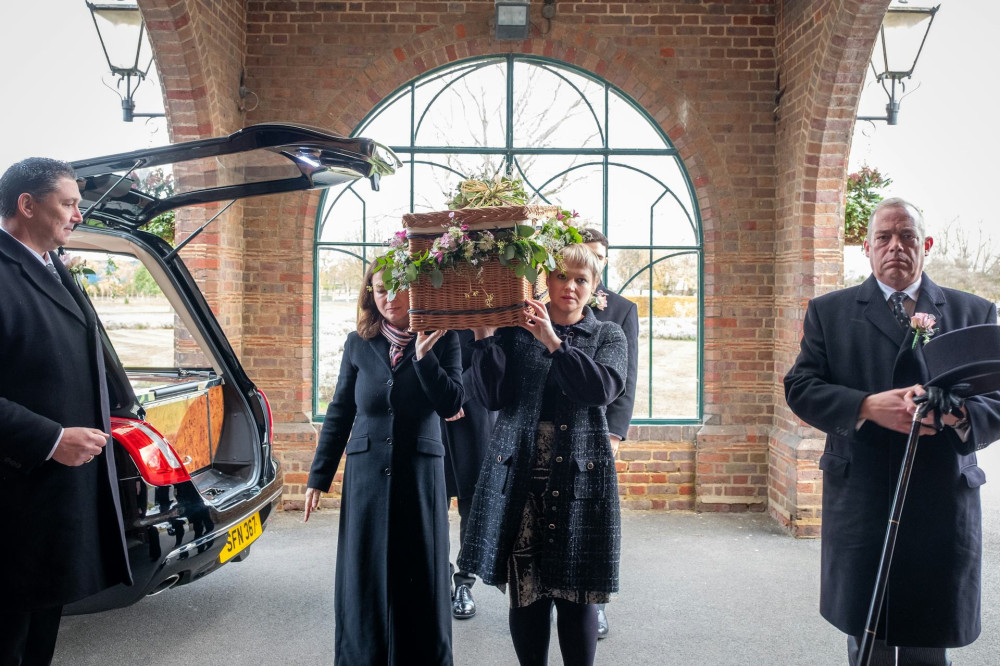
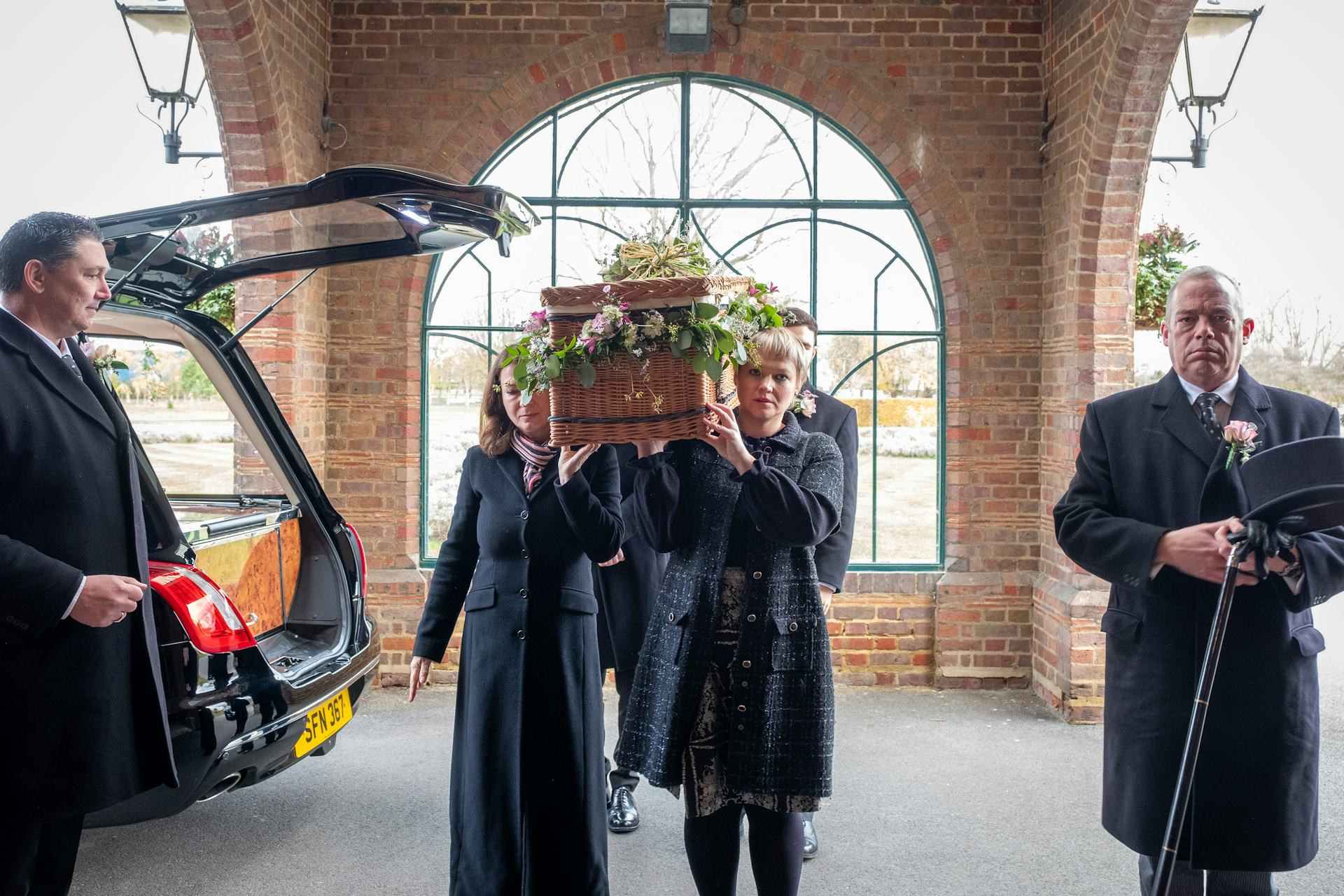
Cremation has become an increasingly common way of saying goodbye in the United States. More than half of Americans now choose cremation over burial, a number that continues to rise each year. For some, it’s a practical decision—simpler, less expensive, and more flexible. For others, it carries deep spiritual meaning. Across cultures and faiths, fire has long symbolized purification, transformation, and release. Yet for many religious traditions, cremation remains a sensitive or even forbidden practice. Here, we explore how different religions and belief systems relate to the fire of farewell—and how these traditions continue to evolve in modern America.
An Ancient Practice in a Modern World
Cremation is far from a new idea. Archaeological evidence shows that it was practiced thousands of years ago in both Europe and Asia. In ancient Greece and Rome, cremation was often seen as a noble way to honor the dead. In contrast, early Christians rejected the practice, emphasizing bodily resurrection and burial in the earth. Over time, as societies changed and urban space became limited, cremation reemerged as a practical and philosophical alternative.
In the United States, cremation gained acceptance in the late 19th and early 20th centuries, initially promoted by reformers who saw it as sanitary and modern. Today, it is embraced by people of many backgrounds—religious and secular alike—each bringing their own meanings to the ritual.
Christianity: From Rejection to Acceptance
For centuries, Christianity viewed cremation as incompatible with belief in the resurrection of the body. Burial was the norm, following the example of Jesus’ own entombment. The Catholic Church formally opposed cremation until the mid-20th century, when it lifted the ban as long as the choice was not made in denial of resurrection. Today, both Catholic and Protestant churches in the U.S. allow cremation, and funeral services often resemble traditional burials, with prayers, hymns, and a committal of the ashes.
Still, many Christians prefer burial as a sign of hope in bodily resurrection. Others see cremation as a dignified and faithful way to return the body to the elements, trusting that God’s power transcends physical form.
Islam: The Body as Sacred Trust
In Islam, cremation is strictly forbidden. The human body is considered a sacred trust from God, to be treated with dignity in life and in death. Islamic law requires that the deceased be washed, wrapped in a simple white shroud, and buried as soon as possible—ideally within 24 hours. Burning the body is viewed as a violation of divine creation.
Muslim communities across the U.S. have established dedicated burial grounds to ensure that these traditions can be observed. Graves are oriented toward Mecca, and the funeral prayer, Salat al-Janazah, is recited to honor the deceased and seek mercy for their soul.
Judaism: Returning to the Earth
Judaism also maintains a strong tradition of burial. The body, created in the image of God, is to be returned to the earth “from which it came.” Cremation is generally prohibited in both Orthodox and Conservative Judaism, though some Reform Jews may choose it. The Holocaust, during which millions of Jews were burned in concentration camps, has deepened the emotional and religious aversion to cremation for many Jewish families.
Jewish burial customs emphasize simplicity and respect: the body is washed, dressed in plain linen, and placed in a wooden coffin. The act of burial itself—covering the coffin with earth—is considered a final act of kindness and honor.
Hinduism: Fire as Liberation
In Hinduism, cremation is the most sacred and widespread form of farewell. Fire is seen as a purifier and a messenger between the physical and spiritual worlds. Through cremation, the soul is released from the body and continues its journey toward rebirth or ultimate liberation (moksha). Traditionally, the eldest son lights the funeral pyre, and the ashes are later scattered in a sacred river, often the Ganges.
In the U.S., Hindu families typically hold ceremonies at crematories, sometimes followed by rituals at rivers or the ocean. The essence of the tradition remains: fire as a sacred bridge between life, death, and the eternal cycle of existence.
Buddhism: Transformation and Continuity
Buddhism shares many of Hinduism’s views on impermanence and rebirth. Cremation is common among Buddhists, symbolizing the release of consciousness from the body. Monks or spiritual leaders often chant prayers to guide the deceased toward a favorable rebirth. In some traditions, relics or fragments of bone are preserved as objects of reverence.
In the United States, Buddhist communities—ranging from Japanese and Tibetan to Vietnamese and American converts—adapt cremation rituals to local customs, blending ancient symbolism with modern practice.
Læs også:


Humanism and Secular Perspectives: A Personal Choice
For those without religious affiliation, cremation often represents a personal or philosophical choice rather than a spiritual mandate. Many see it as a simple, environmentally conscious, or flexible option. Memorial services may focus on celebrating the individual’s life, values, and relationships rather than religious doctrine. The fire can symbolize transformation, continuity, or the return of matter to nature.
Some families choose to keep ashes in urns, others scatter them in meaningful places—mountains, forests, or the sea—creating new rituals of remembrance that reflect personal meaning rather than inherited tradition.
Between Faith, Tradition, and Modern Values
Cremation sits at the crossroads of faith, culture, and modern life. For some, it is a sacred act of purification; for others, a practical or symbolic gesture of farewell. In a diverse nation like the United States, where beliefs and backgrounds intertwine, the fire of farewell takes on many forms—but its essence remains the same: a moment of transformation, a bridge between the seen and the unseen, and a reminder that every ending carries within it the spark of continuity.
Læs også: