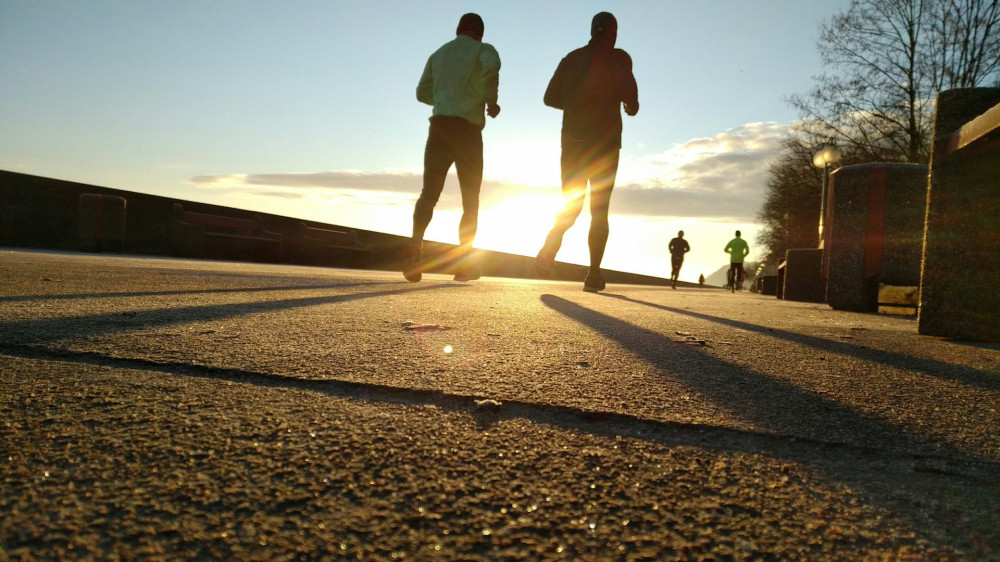
Getting Started with Running – A Motivational Guide for Beginners


Getting Started with Running – A Motivational Guide for Beginners
Starting to run might seem simple — just lace up your shoes and head out the door. But for many beginners, that first step can feel like the hardest one. How do you start without losing motivation? How do you avoid injuries? And how do you make running a natural part of your daily life? This guide will help you find joy in running and build habits that last.
Begin with the Right Foundation
The most important thing when you start running is to take it slow. Many beginners push too hard at first, running too fast or too far, which often leads to soreness or injury. Instead, focus on building consistency and gradually getting your body used to the effort.
A great way to start is by combining walking and running. For example, run for 1 minute and walk for 2 minutes — repeat this for 20–30 minutes. As you get stronger, increase your running time and shorten the walking breaks.
Listen to your body. It’s normal to breathe heavily, but you should still be able to hold a conversation. If you can’t, slow down your pace.
Find and Keep Your Motivation
Motivation is key to turning running into a habit. For some, it’s about getting fitter; for others, it’s about fresh air and mental clarity. Whatever your reason, write it down — it helps you stay focused.
Here are a few ways to stay motivated:
- Set realistic goals. Start small, like running one mile without stopping or running twice a week for a month.
- Track your progress. Use a notebook or an app to record how you feel after each run — seeing improvement is a great motivator.
- Run with others. A running buddy or local running group can provide support and accountability.
- Reward yourself. Treat yourself to a new pair of socks, a smoothie, or a relaxing evening after a good run.
Remember, motivation will fluctuate. The key is to stick with your routine, even on days when you don’t feel like it.
Gear Up – Without Breaking the Bank
You don’t need expensive gear to start running. But one thing you shouldn’t compromise on is a good pair of running shoes. They should fit your foot type and provide proper support to help prevent injuries. Many running stores in the U.S. offer gait analysis to help you find the right pair.
Breathable, moisture-wicking clothing is also helpful — especially in changing weather. The layering principle works well: a base layer to wick sweat, a light top, and a windbreaker if needed. In colder months, add gloves and a hat.
A running watch or app can help you track distance and pace, but it’s not essential. The most important thing is simply getting out the door.
Prevent Injuries and Learn to Recover
When you start running, your muscles, tendons, and joints experience new stress. That’s why rest and recovery are just as important as the runs themselves. Make sure to include rest days between runs, especially in the beginning.
A few simple tips can help you stay injury-free:
- Warm up with light walking or dynamic stretches before running.
- Stretch afterward, focusing on calves, hamstrings, and hips.
- Increase gradually. Follow the 10% rule: don’t increase your total weekly mileage by more than 10% at a time.
- Add strength training. Exercises for your legs, core, and hips help build stability and prevent overuse injuries.
If you feel pain that doesn’t go away after a few days, take a break and consider consulting a physical therapist or sports medicine specialist.
Make Running Part of Your Routine
To make running a habit, it needs to fit into your lifestyle. Schedule your runs like any other appointment — put them in your calendar and stick to them.
Many people find it helpful to run at consistent times, such as early in the morning before work or in the evening after dinner. Find the time of day when you have the most energy and make it your regular running time.
You can also make running social. Join a local running club, sign up for a charity 5K, or run with a friend. Having a goal or community can make running more enjoyable and motivating.
Læs også:




Enjoy the Process – Not Just the Results
It’s easy to focus on numbers: how far, how fast, how many calories. But running is also about the experience — the fresh air, the rhythm of your steps, the calm in your mind. Many runners find that running becomes a form of meditation, a break from daily stress.
Pay attention to your surroundings, your breathing, and how your body feels. The more you enjoy the process, the easier it becomes to keep going.
One Step at a Time
Getting started with running isn’t about being fast or going far right away. It’s about building a new habit that brings energy, joy, and strength — both physically and mentally. With patience, consistency, and a bit of determination, you’ll soon find that running becomes a natural part of your life.
So lace up your shoes, take that first step — and remember, every step counts.
Læs også: