Functional Training as a Supplement: Strength, Stability, and Performance

Functional Training as a Supplement: Strength, Stability, and Performance
In recent years, functional training has become a staple in gyms, athletic programs, and physical therapy clinics across the United States. Unlike traditional strength training, which often isolates specific muscles, functional training focuses on movements that mimic real-life activities. The goal is to build a body that not only looks strong but also moves efficiently and resists injury. As a supplement to your regular workout routine, functional training can enhance strength, stability, and overall performance.
What Is Functional Training?
Functional training is based on natural movement patterns—lifting, pushing, pulling, rotating, and stabilizing. Exercises often use body weight or simple tools like kettlebells, resistance bands, medicine balls, or suspension trainers. The emphasis is on improving coordination between muscles, joints, and the nervous system so that your body performs better in daily life or sports.
While traditional strength training can make you stronger in a single muscle group, functional training helps you apply that strength in motion. The result is not just more power, but also better mobility, balance, and resilience.
Building Strength Through Full-Body Movement
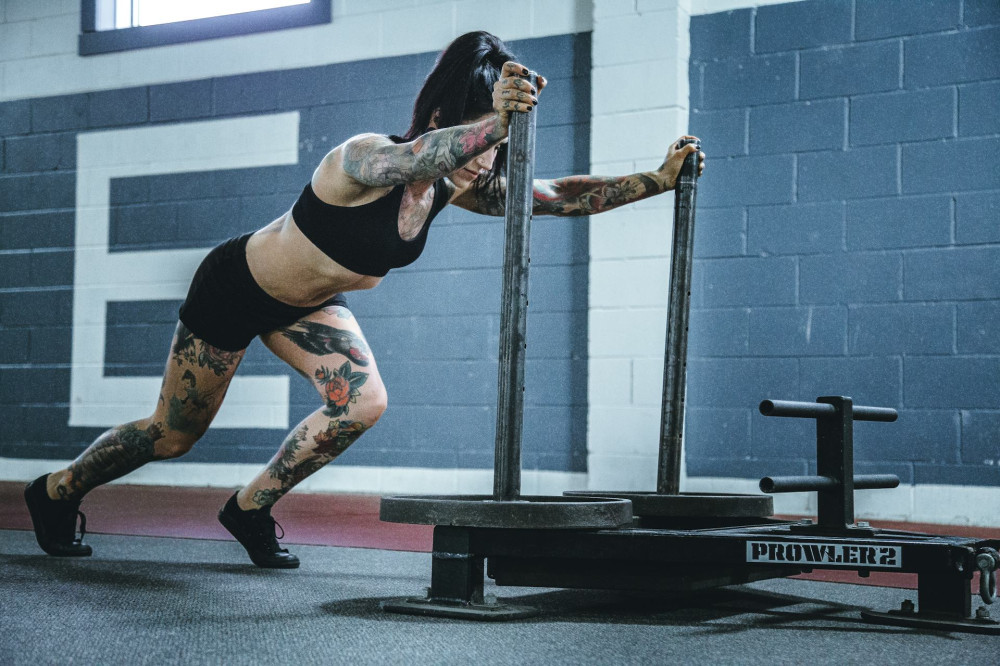
One of the biggest advantages of functional training is that it engages multiple muscle groups at once. Movements like squats with rotation, lunges with overhead presses, or plank variations challenge your legs, core, and upper body simultaneously. This makes your workouts more efficient, combining strength and cardiovascular benefits in a single session.
For athletes, functional training serves as a valuable supplement to sport-specific practice. A runner might use hip and core exercises to improve stride stability, while a basketball player could focus on explosive movements to enhance jumping and agility. The goal is to make the body stronger in ways that directly translate to performance.
Læs også:


Stability and Balance: The Foundation of Movement
Stability is at the heart of functional training. A strong, stable core—comprising the muscles around your abdomen, back, and hips—is essential for nearly every movement you make. Training stability teaches your body to control motion and resist unwanted twists or shifts, reducing the risk of injury and improving movement efficiency.
Exercises performed on unstable surfaces, such as balance boards or BOSU balls, can further challenge your stabilizing muscles. These smaller, often overlooked muscles play a key role in maintaining posture and joint integrity, especially during dynamic activities.
Performance in Sports and Everyday Life
Functional training isn’t just about getting stronger—it’s about moving better. For athletes, that can mean quicker reactions, improved coordination, and greater power output. For everyday exercisers, it can mean fewer aches, better posture, and more energy for daily tasks.
Many people find that functional training improves their ability to handle real-world activities—carrying groceries, lifting kids, or working in the yard—without pain or fatigue. That’s the essence of “functional”: training that makes your body more capable in the movements that matter most.
Getting Started
You don’t need fancy equipment to begin functional training. Start with basic exercises like squats, planks, step-ups, and rotational movements using your body weight. Focus on proper form and control before adding resistance. As you progress, you can incorporate tools like kettlebells, resistance bands, or medicine balls to increase the challenge.
Working with a certified trainer can be helpful, especially at the beginning. A professional can design a program tailored to your goals—whether you want to boost athletic performance, prevent injuries, or simply move and feel better in daily life.
A Supplement That Makes a Difference
Functional training doesn’t have to replace your current workouts—it can complement them. By integrating functional exercises into your routine, you can build a more balanced, adaptable, and durable body. It’s not just about lifting heavy; it’s about moving smart.
When strength, stability, and movement come together, training becomes more than exercise—it becomes preparation for life. And that’s the true power of functional training: a body that performs better in everything you do.
Læs også: