Understanding Chance Without Math – Learn to Think Like a Gambler

Understanding Chance Without Math – Learn to Think Like a Gambler
Chance can feel mysterious – like an invisible force deciding who wins and who loses. But you don’t need to be a mathematician to understand how it works. In fact, you can learn a lot by thinking like a gambler: someone who knows that luck and probability aren’t the same thing, and that understanding the difference can make the game both more enjoyable and more mindful.
What Does “Random” Really Mean?
When we say something is random, we mean we can’t predict the exact outcome – but we can often describe how likely each outcome is. Flip a coin, and you know there are two possibilities: heads or tails. You can’t know which one will land, but you know the chance is 50/50.
Games of chance – whether it’s poker, roulette, or a slot machine in Las Vegas – work the same way. Each outcome is independent of the last. That means the coin doesn’t “owe” you a head just because you’ve flipped tails five times in a row. This is one of the most common mistakes gamblers make: believing that randomness has a memory.
The Human Brain Hates Randomness
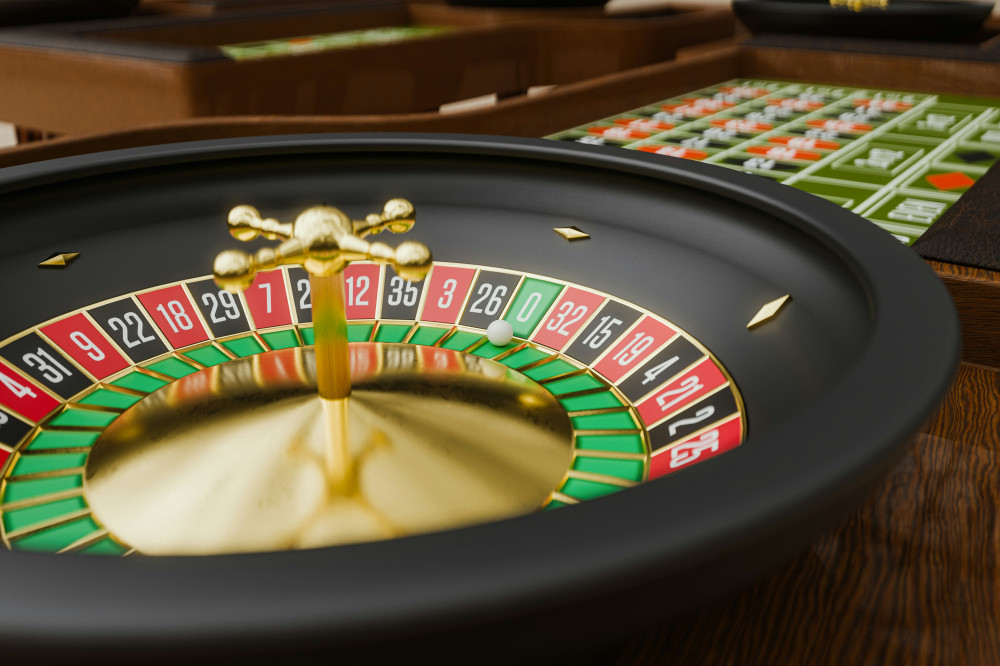
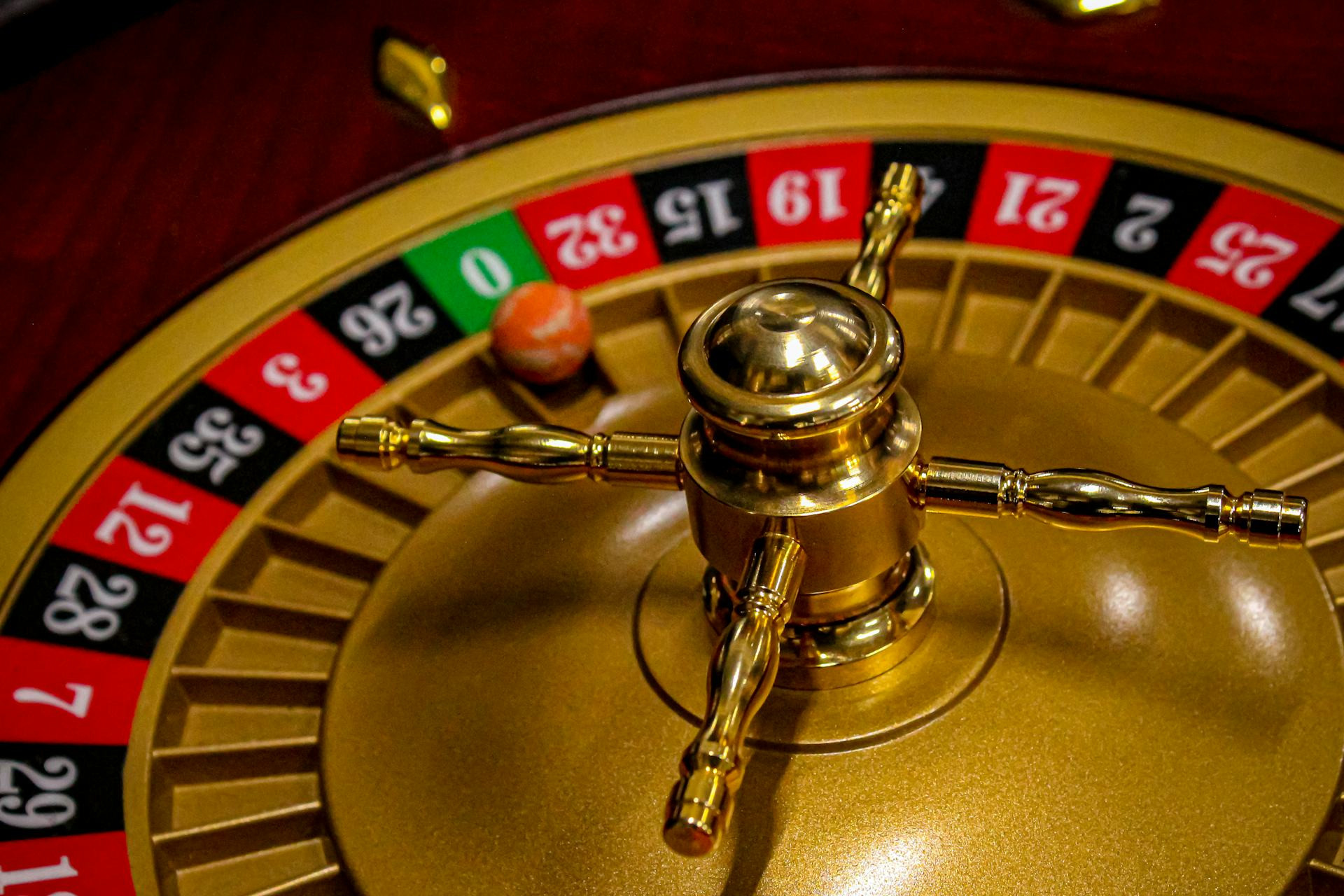
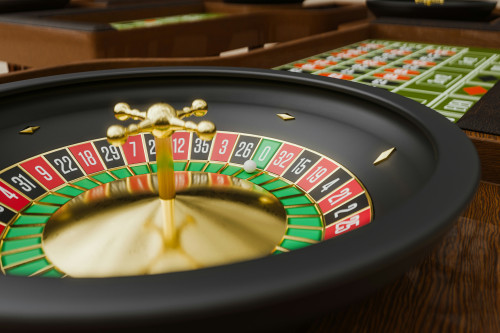
Our brains are wired to find patterns. It’s what helped our ancestors survive – spotting shapes in the bushes or predicting the weather. But in games of chance, that instinct can trick us. We see patterns where none exist. If the roulette wheel has landed on black ten times in a row, it feels almost certain that red must be next. In reality, the odds are exactly the same as before.
Thinking like a gambler means accepting that chance can’t be tamed. You can understand it, but you can’t control it. That realization is freeing, because it shifts your focus from control to experience.
The Gambler’s Mindset: Control What You Can
Even though you can’t influence the outcome of a game, you can control your approach to it. Skilled gamblers know it’s about making decisions based on probability, not emotion. They know when to walk away and when to take a break.
To think like a gambler means:
- Know the rules – understand how the game works before you play.
- Set limits – for both time and money.
- Accept losses – as a natural part of the game, not as personal failure.
- Enjoy the process – because the thrill lies in uncertainty, not just in winning.
When you see gambling as an experience rather than a chase for profit, chance becomes part of the entertainment – not an enemy to defeat.
Why Understanding Makes the Game Better
Once you understand how chance works, it changes the way you play. You become calmer, more realistic, and often more entertained. You know that a loss doesn’t mean you’re “unlucky” – it simply means you’re participating in a game where outcomes are unpredictable.
The same idea applies beyond the casino. Many parts of life – from job interviews to relationships – involve an element of chance. You can do everything right and still not get the result you hoped for. Thinking like a gambler means accepting that and continuing to play your best hand.
Læs også:


Chance as Part of the Magic
Chance isn’t the enemy – it’s what makes games exciting. Without it, everything would be predictable and dull. It’s the uncertainty that creates the adrenaline, the hope, and the joy when things go your way.
So next time you play, try to see chance as your partner. You can’t control it, but you can learn to understand it – and that understanding is a win in itself.
Læs også: