Lighting with Purpose: How to Highlight Your Home’s Features

Lighting with Purpose: How to Highlight Your Home’s Features
Lighting is more than just a practical necessity—it shapes the atmosphere, draws attention to architectural details, and can make even small spaces feel open and inviting. But good lighting isn’t only about aesthetics; it’s also about function. The right light makes everyday life easier, more comfortable, and more enjoyable. Here’s a guide to using lighting strategically to highlight your home’s best features and support how you live.
Think in Zones, Not Just Fixtures
When planning your lighting, it helps to think in zones rather than individual fixtures. Each room serves multiple purposes, and your lighting should adapt accordingly. In the living room, for example, you might combine a warm, dimmable overhead light with focused reading lamps near the sofa and subtle backlighting behind the TV. In the kitchen, you’ll want bright task lighting for cooking, but also softer light for dining and entertaining.
By dividing your space into zones, you create flexibility—so your lighting can shift with your activities and the time of day.
Læs også:

The Kitchen – Balancing Precision and Ambiance
The kitchen is one of the most function-driven rooms in the home, but it should also feel welcoming. You need light that helps you see clearly while cooking, yet still creates a pleasant atmosphere.
- Task lighting under cabinets or recessed into the ceiling provides even, shadow-free illumination over countertops.
- Pendant lights above an island or dining area add a visual focal point and can be dimmed for a more relaxed mood.
- Indirect lighting, such as LED strips under cabinets or along the toe kick, adds depth and a modern touch.
Choose bulbs with a high color rendering index (CRI above 90) so food looks natural and appetizing.
The Living Room – Layers of Light
The living room is a multifunctional space for relaxing, reading, watching TV, and socializing. That means your lighting should be layered and adaptable.
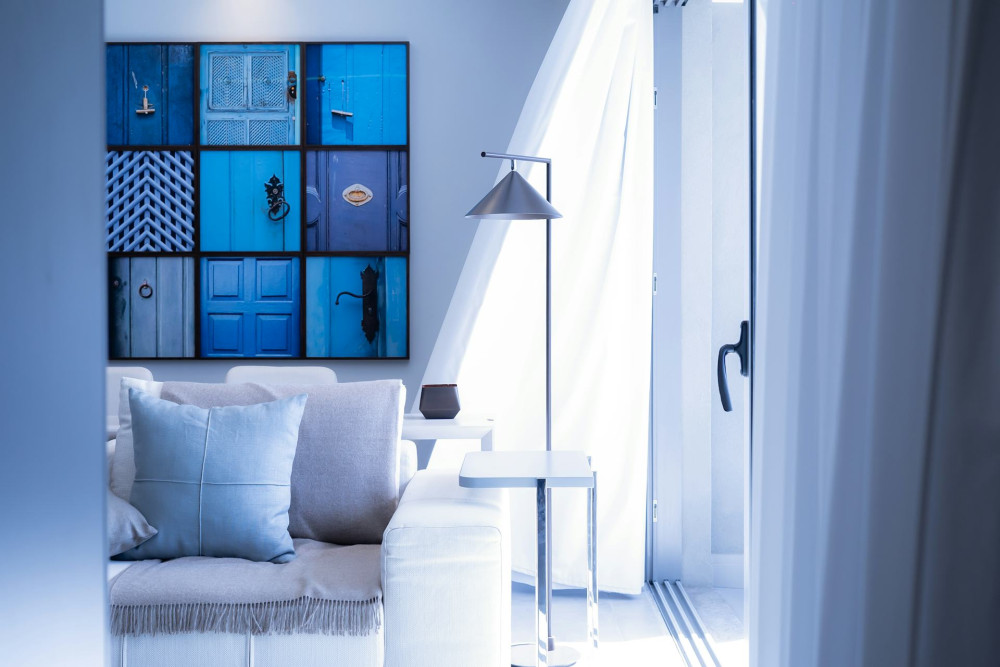
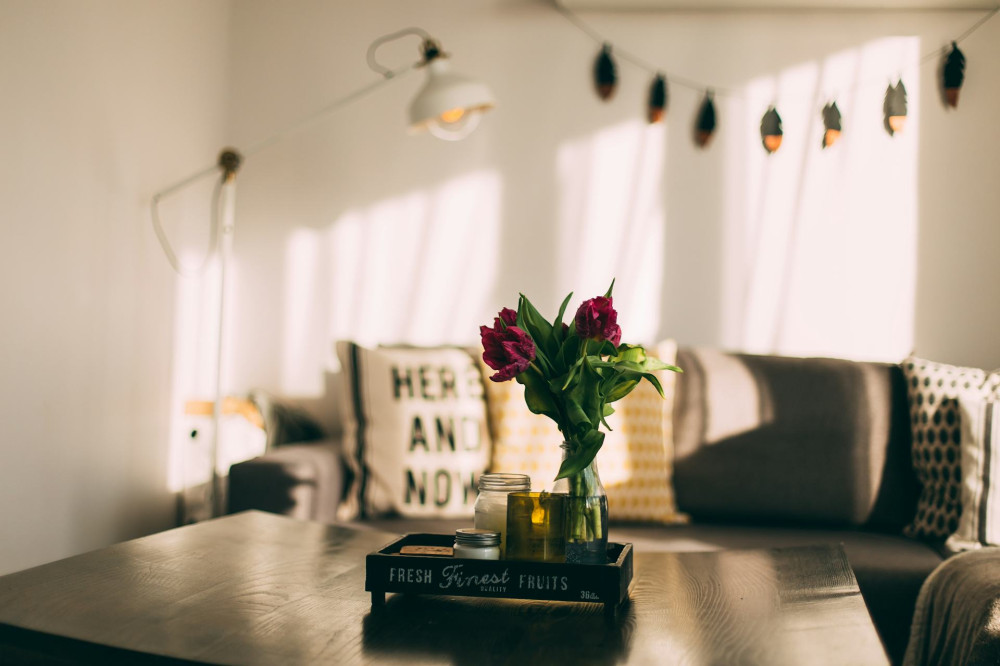
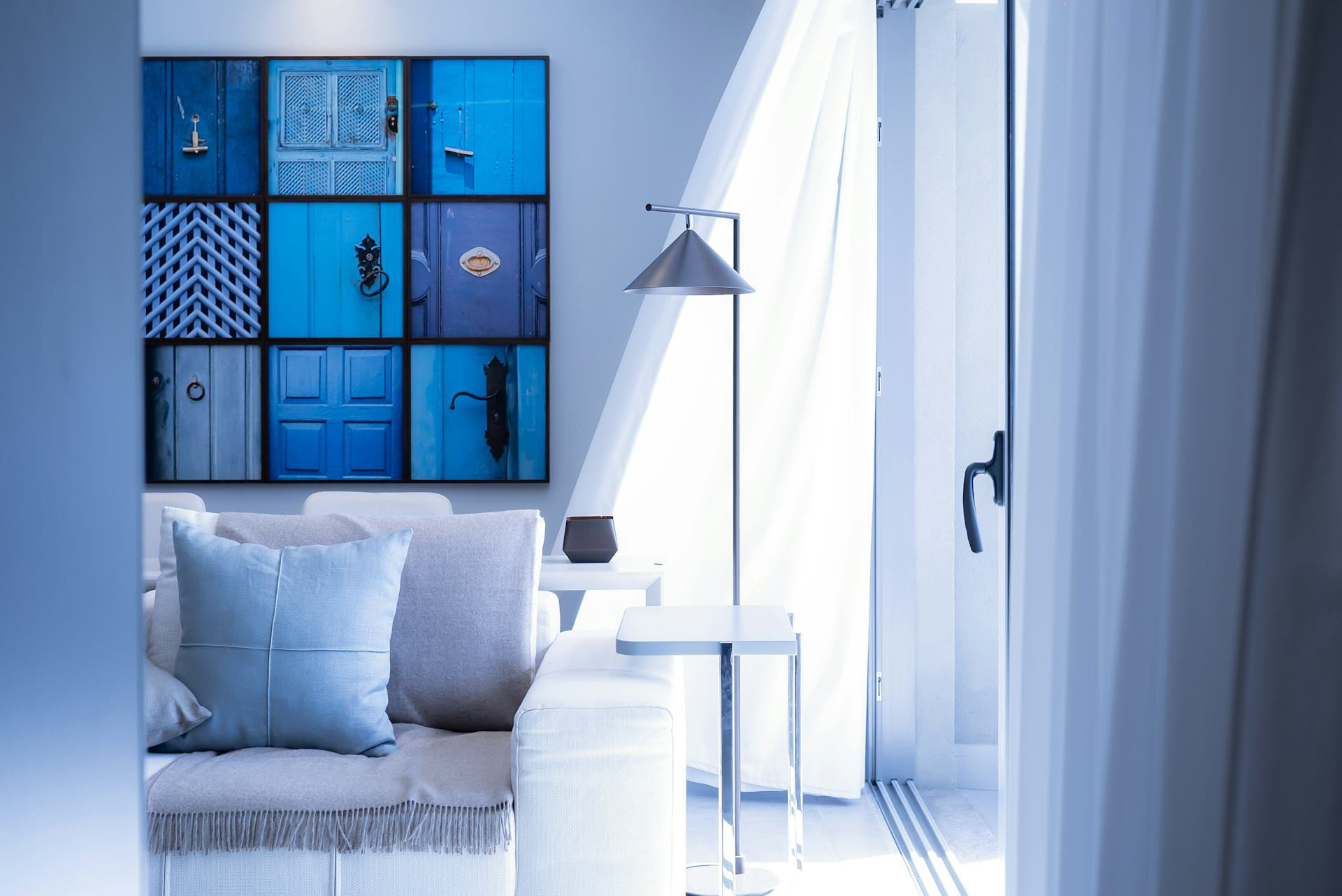
Start with a soft ambient light that can be dimmed. Add directional lighting—a floor lamp by the reading chair or a table lamp on a sideboard. Then include accent lighting, such as small lamps in corners or behind furniture, to eliminate dark spots and create depth.
Mixing light sources at different heights makes the room feel dynamic and comfortable.
The Bathroom – Functional and Flattering
Bathroom lighting should be both practical and flattering. Around the mirror, use front-facing lights on both sides to evenly illuminate your face—ideal for shaving or applying makeup. Avoid overhead spotlights that cast harsh shadows.
A warm, dimmable light near the bathtub or in the ceiling can create a spa-like atmosphere for unwinding. Always choose fixtures rated for damp or wet locations to ensure safety and durability.
The Bedroom – Calm and Flexible
In the bedroom, lighting should promote rest and relaxation. A soft ceiling light provides general illumination, while reading lamps by the bed add functionality. Opt for adjustable or dimmable fixtures so you can control brightness without disturbing your partner.
Consider indirect lighting behind the headboard or under the bed—it creates a soothing glow and can serve as a gentle night light.
The Home Office – Focus and Energy
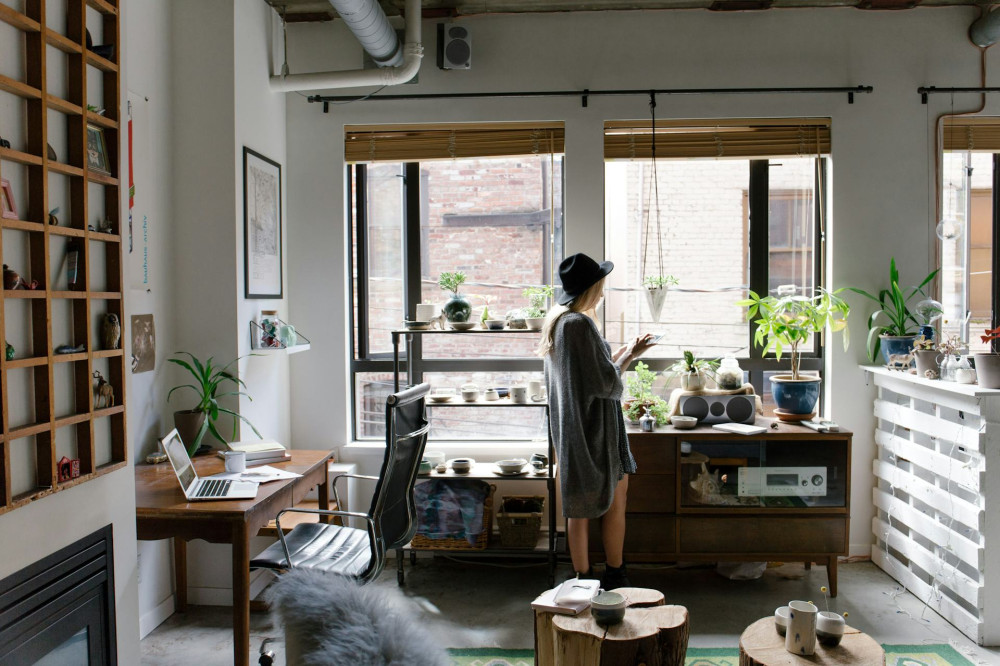
Good lighting is essential for productivity and comfort. Position your desk so natural light comes from the side, and supplement it with a task lamp that provides bright, cool light. This helps reduce eye strain and keeps you alert.
If your workspace shares a room with other functions, use zoned lighting to signal when it’s work time—and turn it off when you’re done. This helps your mind transition between focus and relaxation.
Lighting as a Mood Setter
Beyond function, lighting is a powerful mood creator. Choose fixtures that reflect your personal style, but remember that color temperature matters. Warm light (around 2700K) feels cozy and inviting, while cooler light (4000K and above) is energizing and better suited for work areas.
Small upgrades like dimmers, smart bulbs, or motion sensors can make it easy to adjust lighting throughout the day and enhance both comfort and efficiency.
Light with Intention
Good lighting isn’t about having the most fixtures—it’s about using them thoughtfully. By considering function, zones, and mood, you can design a home that’s both beautiful and practical—a place where light enhances the way you live every day.
Læs også: