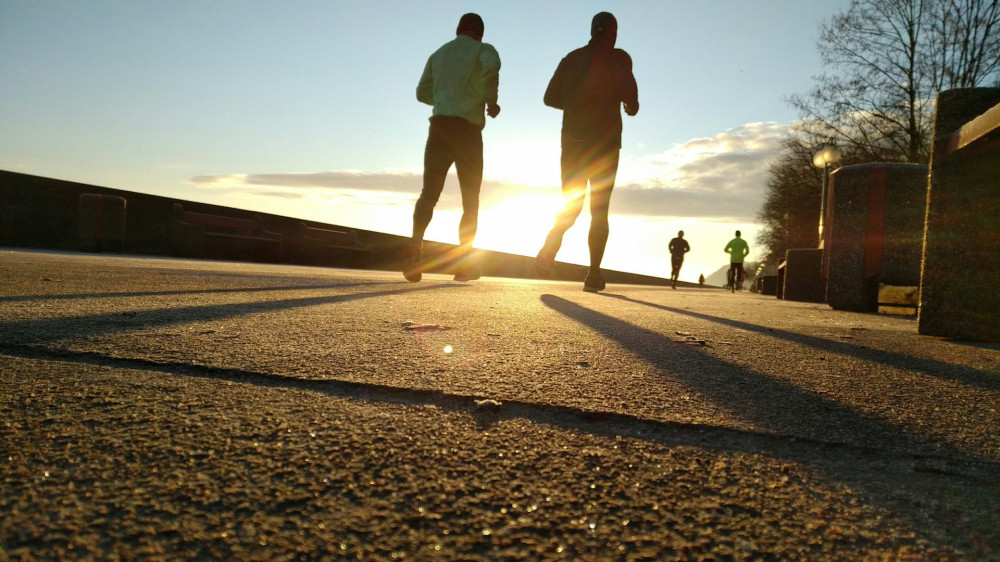
Help Children and Teens Find Balance Between Responsibilities and Free Time


Help Children and Teens Find Balance Between Responsibilities and Free Time
In a world filled with schoolwork, extracurriculars, social media, and constant expectations, it can be challenging for children and teens to find a healthy balance between responsibilities and free time. Many young people feel that there simply aren’t enough hours in the day, and the pressure to perform—academically, socially, and even online—can become overwhelming. As parents, teachers, and mentors, we play a key role in helping them develop healthy routines and realistic expectations for their daily lives.
Why Balance Matters
Finding balance isn’t just about avoiding stress—it’s about supporting well-being, motivation, and growth. When children and teens have time to relax and recharge, they’re better able to focus, learn, and handle challenges. They also learn that responsibility and rest are not opposites but complementary parts of a healthy life.
Too much focus on achievement can lead to burnout and low self-esteem, while too little structure can cause frustration and lack of direction. The goal is to find a rhythm that allows for both focus and freedom.
Create Structure—with Flexibility
Most children and teens thrive when they have some predictability in their routines. A consistent schedule can provide a sense of calm and control, but it’s important that structure doesn’t become rigidity.
- Make a realistic weekly plan together that includes time for school, homework, activities, and downtime.
- Involve your child in the planning, so they feel ownership over their time.
- Stay flexible when plans need to change—some days call for rest, others for more activity.
Learning to manage time is a life skill that will serve them well into adulthood.
Teach the Art of Prioritizing
Part of finding balance is learning to choose what truly matters. Many teens want to do it all—excel in school, play sports, hang out with friends, and stay connected online. But no one can be everywhere at once.
Help them reflect by asking questions like:
- What’s most important to me right now?
- What gives me energy, and what drains me?
- What can wait until later?
Prioritizing isn’t about doing less—it’s about doing what’s meaningful. It builds independence, confidence, and a sense of control.
Free Time Is Not Wasted Time
In a culture that often measures success by productivity, free time can be undervalued. But unstructured time, play, and rest are essential for mental health. It’s during these moments that children and teens process experiences, develop creativity, and find joy.
Encourage them to spend their free time on activities that bring peace or happiness—drawing, playing music, going for a walk, spending time with friends, or simply doing nothing. Quiet moments help the brain recover and energy return.
Be a Role Model
Children and teens learn a lot by observing how adults manage their own balance. If they see parents or teachers constantly busy and stressed, they may assume that’s just how life is supposed to be.
Show them instead that it’s okay to take breaks, say no to too many commitments, and make time for yourself. Talk openly about how you manage your own responsibilities and downtime—it makes it easier for them to do the same.
Læs også:




Talk About Expectations and Pressure
Many young people feel intense pressure—from school, peers, and themselves. It helps to remind them that no one is perfect, and that mistakes and rest are natural parts of life.
Create a space where they can share worries without fear of judgment or immediate solutions. Sometimes, being heard is enough. If the pressure becomes too heavy, consider reaching out for support from a teacher, counselor, or mental health professional.
Balance Is Learned Over Time
Finding balance between responsibilities and free time doesn’t happen overnight. It takes practice, reflection, and support from caring adults. But when children and teens learn to listen to themselves, plan thoughtfully, and set priorities, they build a strong foundation for well-being and resilience.
The goal isn’t perfection—it’s creating a life that allows room for both responsibility and joy, effort and rest.
Læs også: