Extend the Lifespan of Your Everyday Clothes with Proper Washing and Drying

Extend the Lifespan of Your Everyday Clothes with Proper Washing and Drying
Most of us do laundry several times a week—often without thinking about how it affects the durability of our clothes. But the way you wash and dry your garments has a major impact on how long they stay in good shape. With just a few small changes to your routine, you can make your everyday clothes last much longer—saving money and reducing waste at the same time.
Read and Follow the Care Labels
It may sound obvious, but the care label inside your clothes is your best guide. It tells you exactly how the fabric should be treated. Many people ignore those little symbols, but they’re there for a reason. Washing clothes in water that’s too hot can cause shrinking, fading, or loss of shape. On the other hand, washing in water that’s too cold might not remove dirt and oils effectively.
A good habit is to sort your laundry not only by color but also by fabric type and recommended temperature. This helps prevent delicate fabrics from being damaged by rougher materials and ensures that heavier items don’t wear down lighter ones.
Wash Less Often—and More Efficiently
Every wash cycle wears down your clothes, no matter how gentle your machine is. Before tossing something in the washer, ask yourself if it really needs to be cleaned. Often, a quick airing out is enough—especially for jeans, sweaters, and jackets that aren’t visibly dirty.
When you do wash, fill the machine properly but don’t overload it. An overstuffed washer can’t clean effectively and causes extra friction between garments. Use the right amount of detergent, too—too much can leave residue in the fibers, while too little won’t get your clothes clean.
Choose the Right Temperature and Spin Speed
Lower temperatures are usually sufficient for everyday laundry. Most modern detergents work well in cold or warm water, which helps preserve colors and fabrics while saving energy. Only items like underwear, towels, and bedding typically need hot water to kill bacteria.
Avoid using the highest spin speed unless necessary. A gentler spin means less wrinkling and less mechanical stress on the fabric. Your clothes may take a bit longer to dry, but they’ll stay in better condition over time.
Læs også:

Be Gentle When Drying
The dryer is convenient, but it’s also one of the biggest culprits when it comes to clothing wear and tear. High heat and constant tumbling can break down fibers, cause shrinkage, and reduce elasticity. Whenever possible, air-dry your clothes instead—either on a drying rack indoors or outside in the shade.
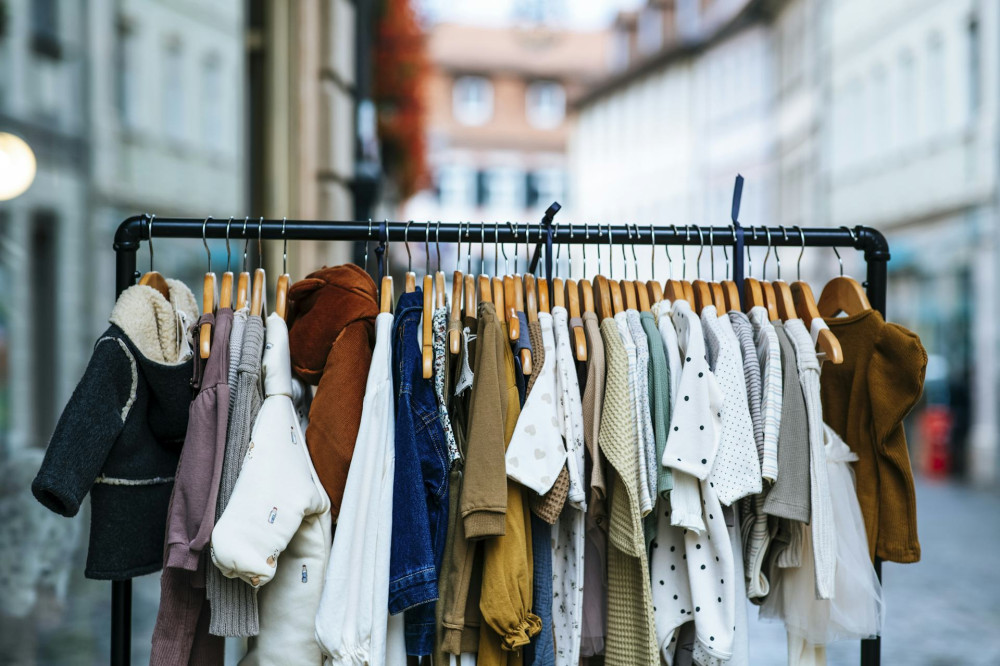
When hanging clothes, give them a quick shake and smooth out wrinkles before they dry. This reduces the need for ironing and helps them look neater. Hang shirts and blouses on hangers, and lay heavy sweaters flat to prevent stretching.
Handle Ironing and Steaming with Care
Ironing can make clothes look crisp, but it also exposes them to heat stress. Always check the care label and use the lowest effective temperature. Many modern fabrics respond well to steam rather than direct heat. A handheld steamer is a gentle alternative that removes wrinkles and freshens clothes without damaging the fibers.
Store Clothes Properly
Even when not in use, clothes can lose their shape or get damaged if stored incorrectly. Keep your closet clean and dry, and avoid cramming too many garments together. This prevents wrinkles and fabric distortion. Fold heavy knits instead of hanging them, and consider using cedar blocks or lavender sachets to protect natural fibers like wool from moths.
Small Habits, Big Impact
Extending the life of your everyday clothes isn’t about perfection—it’s about awareness. Each time you choose a lower temperature, skip the dryer, or wash a little less often, you’re making a difference—for your wardrobe, your wallet, and the environment.
With a bit of care and attention, your clothes can stay looking great for years—and your laundry routine can become a little more sustainable.
Læs også: